Building Community: Enhancing Social Life in California Care Homes
Discover how California care homes foster vibrant social lives, building strong communities and enhancing well-being for residents. Learn more on CareHomeSearch.
When considering a care home for a loved one, the quality of medical care and daily assistance often takes center stage. However, an equally vital, yet sometimes overlooked, aspect is the richness of the social environment. A vibrant social life can significantly enhance well-being, combat loneliness, and foster a true sense of belonging for residents.
The Importance of Social Connection for Seniors
As we age, opportunities for social interaction can naturally decrease. Retirement, loss of friends or family, and decreased mobility can all contribute to social isolation, which has been linked to numerous negative health outcomes, both physical and mental. In a residential care setting, the intentional creation of a supportive community becomes paramount.
Combating Loneliness and Depression
Loneliness is a silent epidemic among seniors. It can lead to feelings of sadness, isolation, and significantly increase the risk of depression. Care homes that prioritize social engagement actively combat these issues by providing consistent opportunities for interaction and connection. Group activities, shared meals, and communal spaces become fertile grounds for friendships to blossom.
Enhancing Cognitive Function
Engaging in social activities and conversations stimulates the brain, which can help maintain cognitive function. Discussions, games, learning new skills, and even simply planning an outing with friends all challenge the mind in beneficial ways. A stimulating social environment can be a protective factor against cognitive decline.
What a Thriving Social Life Looks Like in a Care Home
It’s one thing to offer activities, but it’s another for a care home to cultivate a truly thriving social scene. Look beyond the activity calendar to understand the true spirit of the community. A truly social care home feels less like an institution and more like a vibrant neighborhood.
A Diverse Calendar of Activities
A sign of a healthy social environment is a wide array of activities that cater to diverse interests and abilities. This isn't just about scheduling; it's about thoughtful planning that reflects residents' preferences and promotes engagement.
- Intellectual Engagement: Book clubs, current events discussions, educational lectures, documentary screenings.
- Creative Pursuits: Art classes (painting, ceramics), knitting/crochet groups, music appreciation, choir.
- Physical Activity: Chair yoga, gentle exercise classes, walking groups, gardening.
- Social Gatherings: Happy hours, movie nights, themed parties, ice cream socials, resident committees.
- Outings: Trips to local museums, parks, restaurants, shopping centers, community events.
Creating Welcoming Common Spaces
The physical environment plays a huge role in encouraging social interaction. Carefully designed common areas foster spontaneous conversations and comfortable gatherings.
Consider spaces like:
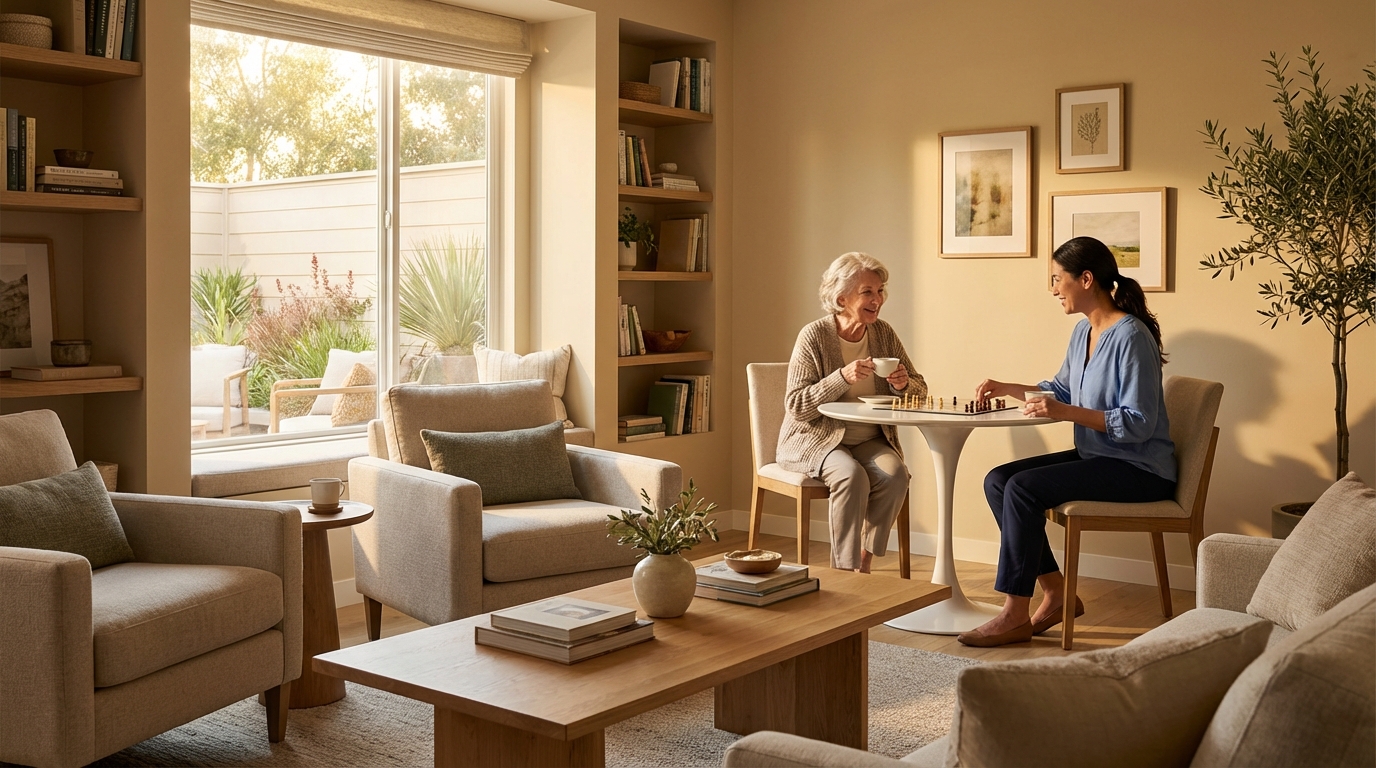
- Cozy Living Rooms: Comfortable seating arrangements that encourage conversation rather than isolated viewing of television.
- Dining Areas: Thoughtful seating that allows for individual choice (e.g., smaller tables for intimate conversations, larger tables for group dining).
- Outdoor Patios and Gardens: Accessible and attractive outdoor spaces for walks, gardening, or simply enjoying fresh air together.
- Activity Rooms: Versatile spaces that can transform for different uses, from game nights to craft sessions.
Tip: During your tour, observe the common areas. Do residents seem engaged or isolated? Are staff members interacting warmly with residents in these spaces? Is there laughter and conversation?
The Role of Staff in Fostering Community
While activities and spaces are crucial, the staff are the heart of a care home's social scene. Their attitude, training, and dedication can make all the difference in whether residents feel connected and valued.
Engaging and Person-Centered Approach
Staff should be trained not just in caregiving tasks, but also in facilitating social connections. This means:
- Active Listening: Understanding residents’ life stories, hobbies, and preferences to suggest relevant activities and introductions.
- Encouraging Participation: Gently inviting residents to join activities without pressure, making them feel welcome.
- Facilitating Introductions: Helping new residents meet existing ones and find common ground.
- Leading with Enthusiasm: Staff who genuinely enjoy social activities can inspire residents to participate.
A care home where staff are seen laughing and chatting with residents, not just completing tasks, is often a sign of a strong community.
Evaluating Social Life During Your Search
When you're evaluating care homes for your loved one, don't just look at the list of amenities. Dig deeper into the social fabric. This aspect is as important as the medical care provided.
Questions to Ask Prospective Care Homes
During your visits and interviews, ensure you ask specific questions about social life:
- "How do you help new residents integrate into the community and make friends?"
- "Can you share a typical weekly activity calendar? How do you gather resident input for activities?"
- "What options are available for residents who prefer quieter social interactions, or who have specific hobbies?"
- "How do you encourage residents to dine together, and what is the atmosphere like during meals?"
- "What opportunities are there for residents to participate in decision-making about activities or community life?"
- "Are there regular family events or opportunities for family members to participate in activities with their loved ones?"
Observing the Environment
Pay close attention to what you see and hear during your visit:
- Resident Interaction: Are residents seen interacting with one another, or do they seem isolated?
- Staff Engagement: Are staff members actively engaging with residents, or are they solely focused on tasks?
- Activity Participation: Do activities seem well-attended and genuinely enjoyed by residents?
- Resident Tone: Do residents appear happy, engaged, and comfortable in their surroundings?
- Cleanliness and Comfort: While not directly social, a well-maintained and comfortable environment contributes to a positive overall mood and willingness to socialize.
Fostering Connection for Your Loved One
Even once your loved one is settled in a care home, you can play a role in supporting their social integration. Encourage them to try new activities, listen to their experiences, and offer positive reinforcement.
Here are some steps you can take:
- Discuss Interests: Talk to your loved one about what activities they might enjoy or would be willing to try.
- Attend Events Together: If the care home allows, join them for a meal or an activity initially to help them feel more comfortable.
- Encourage Feedback: Ask them what they liked or disliked about certain activities to help staff tailor options.
- Share Information: Provide staff with insights into your loved one's past hobbies, career, and personality to help them make relevant connections.
- Be Patient: It can take time for new friendships to form and for someone to feel fully integrated into a new community.
Choosing a residential care home that prioritizes meaningful social connections is an investment in your loved one's overall happiness and well-being. By considering these aspects, you can help ensure they find a place where they not only receive excellent care but also thrive as part of a vibrant, supportive community.
Published by CareHomeSearch Team on January 31, 2026