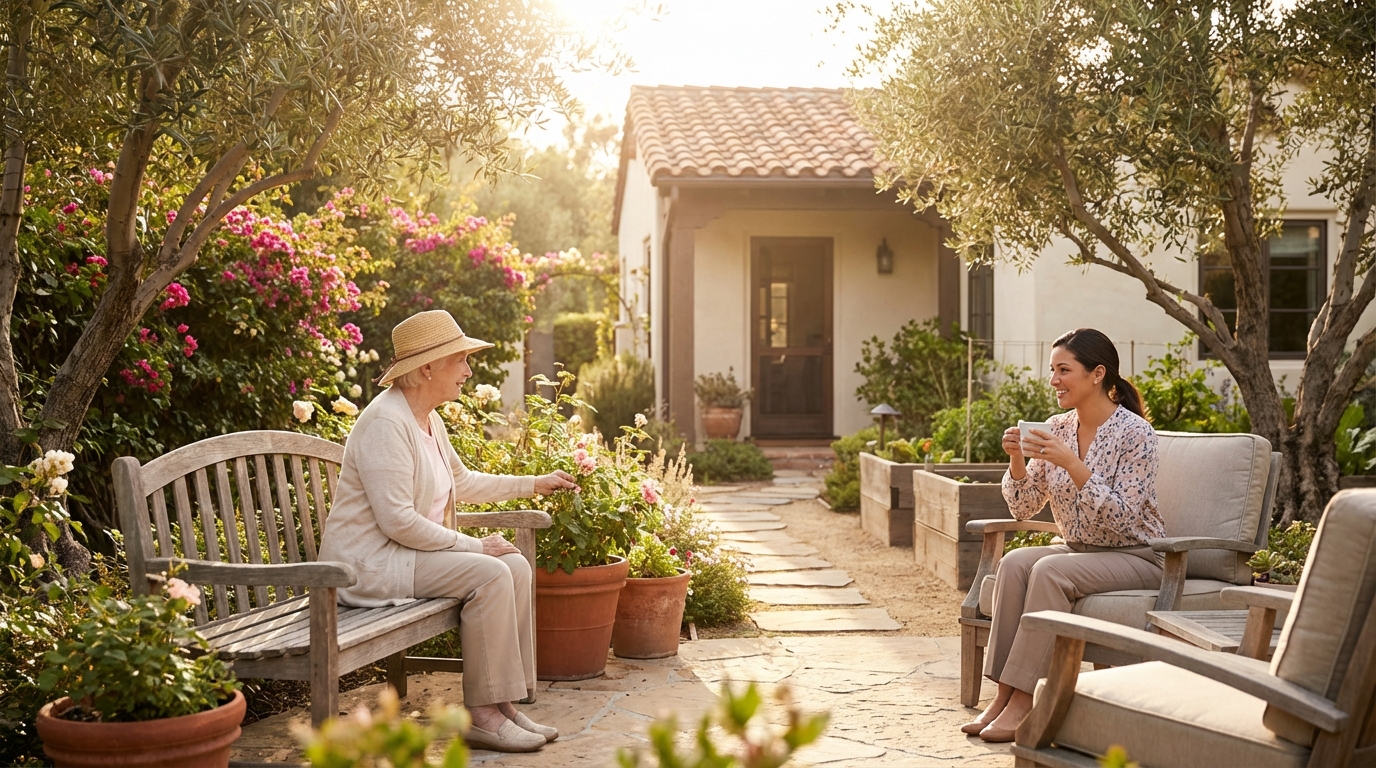
Outdoor Spaces in Care Homes: A California Perspective
Discover the vital role of outdoor spaces and gardens in California care facilities, enhancing resident well-being and quality of life.
When searching for the perfect residential care home for a loved one, families often prioritize factors like medical care, staff-to-resident ratios, and activity programs. However, one crucial element that significantly impacts well-being, yet is sometimes overlooked, is access to outdoor spaces and gardens. These natural environments are not just aesthetic additions; they are vital components that can profoundly enhance the quality of life for seniors in care facilities.
Beyond the Walls: The Therapeutic Power of Nature
There's an undeniable connection between humans and nature, often referred to as biophilia. For seniors, especially those in care facilities, this connection becomes even more critical. Access to gardens and outdoor areas offers a refreshing escape from indoor confines, providing a sense of freedom and a much-needed change of scenery that can alleviate feelings of isolation or confinement. The simple act of being outdoors, regardless of activity level, has profound therapeutic benefits.
Reducing Stress and Improving Mood
Spending time in nature has been scientifically proven to lower stress hormones like cortisol, reduce blood pressure, and improve mood. For residents who may be experiencing anxiety, depression, or even the early stages of dementia, a peaceful garden can serve as a sanctuary. The gentle rustling of leaves, the scent of flowers, and the warmth of the sun can create a calming atmosphere, promoting relaxation and emotional well-being. This natural antidote can often be more effective than artificial interventions.
Enhancing Cognitive Function
Engagement with natural elements can also stimulate cognitive function. Observation of birds, varying plant textures, and the changing seasons can provide mental stimulation without being overwhelming. For individuals with cognitive impairments, gardens can offer opportunities for restorative attention, helping to focus their minds and reduce agitation. Some facilities even incorporate sensory gardens, specifically designed to engage all five senses, further enhancing cognitive and emotional responses.
Physical Health Benefits of Outdoor Exposure
Beyond the mental and emotional advantages, outdoor spaces offer significant physical health benefits that are paramount for seniors. Encouraging residents to spend time outdoors can contribute to their overall vitality and reduce the risk of various health issues.
Promoting Physical Activity
Gardens and outdoor areas naturally encourage movement. Whether it's a gentle stroll along a winding path, tending to raised garden beds, or simply walking to a bench to sit and observe, these activities promote mild to moderate exercise. Regular physical activity, even in small increments, helps maintain mobility, muscle strength, balance, and circulation, all essential for preventing falls and maintaining independence.
- Improved Mobility: Gentle walks help maintain joint flexibility and muscle strength.
- Vitamin D Synthesis: Exposure to natural sunlight is crucial for Vitamin D production, which supports bone health and immune function.
- Better Sleep: Natural light exposure during the day helps regulate circadian rhythms, leading to improved sleep patterns at night.
Access to Fresh Air and Sunlight
Spending time outdoors means breathing fresh air, which is often cleaner and more invigorating than indoor air. Sunlight exposure is equally vital. It's the primary natural source of Vitamin D, essential for bone health and boosting the immune system. Exposure to natural light also plays a crucial role in regulating sleep cycles, helping residents to sleep better at night and feel more alert during the day, reducing common issues like sundowning.
Tip for Families: When touring care facilities, don't just ask about outdoor spaces – actively observe them. Are they easily accessible? Do they appear well-maintained and inviting? Are there shaded areas and comfortable seating? Does the layout encourage safe exploration and interaction? These details speak volumes about the facility's commitment to resident well-being.
Social Engagement and Community Building
Outdoor spaces are natural gathering places, fostering social interaction and a sense of community among residents, staff, and visiting families. These environments can break down barriers and create opportunities for shared experiences.
Facilitating Intergenerational Connections
Gardens are wonderful backdrops for family visits. Grandchildren can explore, play, or help residents with light gardening tasks, creating meaningful intergenerational memories. Many facilities now host family picnics, barbecues, or seasonal events in their outdoor areas, strengthening community bonds and making visits more engaging for everyone involved.
Care facilities that understand the value of these spaces often design them with social interaction in mind, incorporating features such as:
- Accessible pathways wide enough for two people or a wheelchair.
- Ample seating arrangements, including benches and picnic tables.
- Shaded areas for comfortable conversation, even on sunny days.
- Raised garden beds that allow residents to participate in gardening activities regardless of mobility.
Opportunities for Horticultural Therapy
Horticultural therapy, which involves engaging in gardening-related activities, is a powerful tool used in many care settings. It offers residents a sense of purpose, stimulates sensory input, and provides gentle exercise. From planting seeds to watering plants or harvesting vegetables, these activities can be deeply satisfying and reconnect residents with nature in a hands-on way. It can also provide opportunities for residents to bond over a shared interest and work together towards a common goal.
Key Features of Senior-Friendly Outdoor Spaces
Not all outdoor spaces are created equal, especially when it comes to the specific needs of seniors. Thoughtful design makes a world of difference in usability, safety, and enjoyment.
Safety and Accessibility
Foremost, outdoor areas must be safe and accessible for all residents, regardless of their mobility levels. This includes:
- Smooth, Non-Slip Paths: Paths should be level, wide enough for walkers and wheelchairs, and made of non-slip materials.
- Secure Fencing: For residents with memory impairments, secure and subtle fencing is crucial to prevent wandering while maintaining a sense of openness.
- Adequate Lighting: Well-lit paths and common areas ensure safety during dusk or evening hours.
- Accessible Seating: Benches with armrests and back support, strategically placed in shaded areas, offer comfortable resting spots.
Sensory Engagement and Stimulation
A truly enriching garden engages all the senses. This can be achieved through:
- Fragrant Plants: Herbs like lavender and rosemary, or aromatic flowers.
- Textural Variety: Different plant textures, smooth stones, or rough bark.
- Auditory Elements: Wind chimes, bird feeders to attract wildlife, or a gentle water feature.
- Visual Interest: Colorful flowers, varying heights of plants, and interesting garden art.
Actionable Steps for Families
As you navigate the process of finding the right care home for your loved one, keep the importance of outdoor spaces firmly in mind. It's a significant factor in promoting overall well-being.
Here are some actionable steps you can take:
- Prioritize Outdoor Access: Make it a non-negotiable item on your checklist when evaluating facilities.
- Ask Specific Questions During Tours: Inquire about the size, accessibility, and maintenance of their outdoor spaces. Ask about planned activities that utilize the garden.
- Observe Resident Engagement: During your visit, observe if residents are actually using the outdoor areas and how they are interacting with the space.
- Consider Your Loved One's Preferences: Does your loved one enjoy gardening, bird watching, or simply sitting outdoors? Ensure the facility's outdoor offerings align with their interests.
- Advocate for Improvements: If your loved one is already in a facility with limited outdoor options, discuss with staff and administration how these spaces could be enhanced.
At CareHomeSearch, we understand that finding the right residential care home involves looking at the full picture of a loved one's potential quality of life. We encourage you to use our comprehensive directory to find facilities in California that not only meet your care needs but also prioritize enriching environments, including beautiful and accessible outdoor spaces, to support holistic well-being.
Published by CareHomeSearch Team on February 17, 2026