Enhancing Care Home Life: Activities & Programs for Seniors
Discover how engaging activities and innovative programs can significantly improve the quality of life for seniors in care homes, fostering joy and well-being.
Discovering the right care home for a beloved family member can be an emotional journey. Beyond the essential medical care and safety, a truly exceptional residential care home enriches daily life, fostering joy, purpose, and connection. This guide explores the vital role of engaging activities and robust programs in enhancing the quality of life for residents, helping you identify homes that prioritize well-being beyond basic needs.
The Power of Purpose: Why Activities Matter So Much
For many, moving into a care home can feel like a significant life change, sometimes accompanied by feelings of loss of independence or routine. Thoughtfully designed activity programs counteract these challenges by providing stimulation, fostering social connections, and offering opportunities for continued growth and enjoyment. These programs are not just "time fillers"; they are essential components of holistic care.
Activities help maintain cognitive function, improve physical mobility, and boost emotional well-being. They can reduce feelings of loneliness, anxiety, and depression, contributing significantly to a resident's overall happiness and sense of belonging. A vibrant activity calendar is often a strong indicator of a care home's commitment to its residents' quality of life.
Cognitive Stimulation and Mental Health
Keeping the mind active is crucial at any age, but particularly for seniors who may be experiencing cognitive decline. Appropriate activities can slow the progression of memory-related conditions and improve mood.
- Memory Games and Puzzles: Crosswords, Sudoku, jigsaw puzzles, and trivia nights are excellent for cognitive engagement.
- Reading and Discussion Groups: Encourages critical thinking, sharing perspectives, and social interaction.
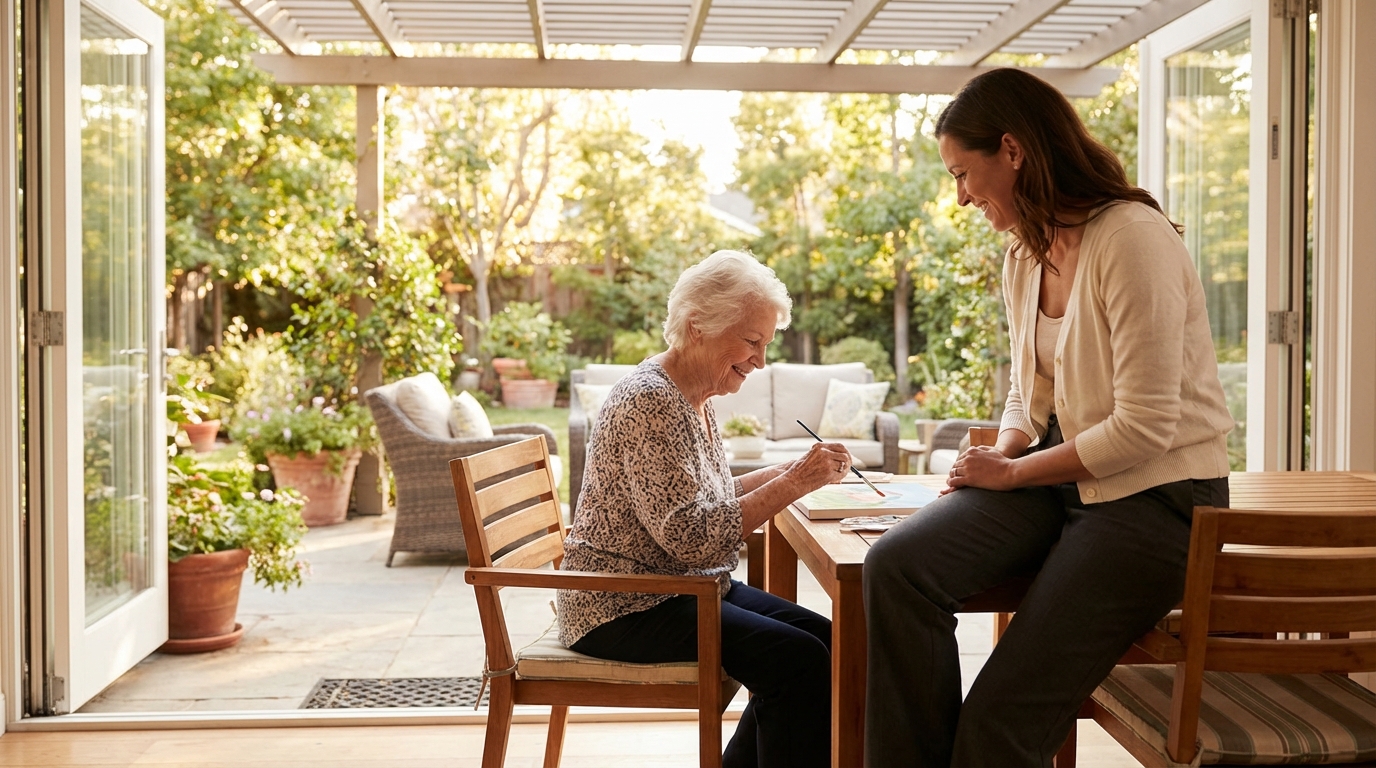
- Creative Pursuits: Painting, pottery, writing workshops, and music therapy stimulate different areas of the brain and offer avenues for self-expression.
- Technology Engagement: Supervised use of tablets or computers for video calls with family, online games, or educational programs.
Physical Wellness and Mobility
Maintaining physical activity levels is paramount for seniors, impacting everything from balance and strength to circulation and mood. Care homes should offer a variety of options suitable for different mobility levels.
- Gentle Exercise Classes: Chair yoga, tai chi, stretching, and low-impact aerobics cater to varying abilities.
- Walking Clubs/Outdoor Strolls: Encourages fresh air and light exercise, often with a social component.
- Dance and Movement Therapy: Fun ways to improve coordination, balance, and mood.
- Gardening Clubs: Offers light physical activity, connection with nature, and a sense of accomplishment.
Fostering Connection: Social and Community Engagement
Human beings are inherently social creatures. Loneliness and isolation can have severe negative impacts on health, making social interaction a cornerstone of quality care. Care homes committed to well-being will offer numerous opportunities for residents to connect with peers, staff, and the wider community.
Building Community Within the Home
A strong sense of community makes a care home feel like a true home. These activities are designed to build bonds and create shared experiences.
- Group Meals and Theme Dinners: Beyond basic nutrition, these are prime opportunities for conversation and fellowship.
- Game Nights: Board games, card games, and bingo provide lighthearted competition and camaraderie.
- Religious Services and Spiritual Programs: Offers comfort, continuity, and shared belief systems for those who desire it.
- Resident Councils: Empowering residents to voice opinions, suggest activities, and take ownership of their community.
Connecting with the Outside World
Maintaining ties with the broader community is vital for a resident's sense of continuity and belonging. Exceptional care homes facilitate these connections.
- Volunteer Opportunities: For residents still able, giving back can be incredibly fulfilling.
- Intergenerational Programs: Visits from local schools, scout troops, or youth groups can bring immense joy and fresh perspectives.
- Community Outings: Trips to local parks, museums, concerts, or shopping centers provide variety and engagement with the world outside the home.
- Pet Therapy: Regular visits from trained therapy animals can reduce stress and elevate mood.
Personalized Care: Tailoring Activities to Individual Needs
While group activities are valuable, the best care homes recognize that each resident is unique, with their own interests, hobbies, and capabilities. A "one-size-fits-all" approach to activities rarely works. Look for care homes that emphasize personalized programming.
Important Tip: During your care home search, ask about the assessment process for activities. How do they discover a new resident's past hobbies, skills, and current interests? This indicates a commitment to personalized engagement.
Assessment and Planning
Effective personalized activity programs begin with a comprehensive assessment of each resident's physical, cognitive, and emotional status, as well as their life history and personal preferences. This information helps activity coordinators create tailored plans.
- Life Story Interviews: Gathering information about a resident's career, family, hobbies, past achievements, and cultural background.
- Preference Checklists: Allowing residents to indicate their interests from a wide range of options.
- Observation: Seeing how residents interact in various settings to understand their comfort levels and preferences.
Flexibility and Adaptability
A good activity program is not static. It adapts to the changing needs and desires of the residents. This might mean modifying activities for those with limited mobility, offering quiet alternatives for introverted individuals, or introducing new programs based on resident feedback.
- One-on-One Engagement: For residents who prefer solitude or have specific needs, personalized visits, reading sessions, or craft times can be invaluable.
- Therapeutic Activities: Specialized programs for residents with dementia, such as reminiscence therapy, sensory stimulation, or music therapy, are vital.
- Resident-Led Initiatives: Encouraging residents to lead or organize activities that align with their skills and passions.
The Role of Staff and Environment in Activity Success
Even the most well-planned activities falter without dedicated staff and an enabling environment. When visiting care homes, observe the staff-resident interactions and the overall atmosphere.
Engaged and Empathetic Staff
The activity director and care staff play a crucial role in the success of any program. Look for staff who are:
- Enthusiastic and Creative: They should genuinely enjoy engaging with residents and be able to think outside the box.
- Patient and Understanding: Especially when working with residents who have cognitive impairments or communication challenges.
- Skilled in Facilitation: Able to guide activities effectively while allowing residents to participate at their own pace.
- Knowledgeable: Understanding the benefits of different activities and how to adapt them for various needs.
Supportive and Stimulating Environment
The physical space itself can greatly impact participation and enjoyment. A well-designed care home provides dedicated areas for different types of activities.
- Bright, Inviting Common Areas: Spaces that encourage gathering and social interaction.
- Outdoor Gardens and Patios: Safe, accessible outdoor areas for fresh air, exercise, and nature immersion.
- Dedicated Activity Rooms: Spaces equipped for crafts, games, music, or quiet reflection.
- Sensory-Rich Environments: Especially beneficial for residents with dementia, these spaces offer engaging sights, sounds, and textures.
Next Steps: Evaluating Activities During Your Care Home Search
As you research care homes for your loved one, make activity programs a central part of your evaluation. Don't hesitate to ask specific questions and observe interactions during your visits.
- Request a Sample Activity Calendar: Look for variety, frequency, and activities that align with your loved one's interests. Are there weekend and evening activities?
- Visit During Activity Times: Observe staff engagement, resident participation, and the overall mood. Do residents seem happy and stimulated?
- Ask About Resident Assessment for Activities: How do they learn about new residents' hobbies and preferences? Is there a personalized activity plan?
- Inquire About Staffing and Training: Who leads the activities? What is their background and training in gerontology or activities for seniors?
- Discuss Family Involvement: Can family members participate in activities or suggest program ideas?
- Check for Community Outings and Partnerships: Does the home offer external trips or invite community groups to visit?
Choosing a care home that prioritizes meaningful activities and fosters a vibrant community ensures that your loved one will not just be cared for, but will truly thrive, maintaining purpose, joy, and connection in their new home.
Published by CareHomeSearch Team on March 9, 2026