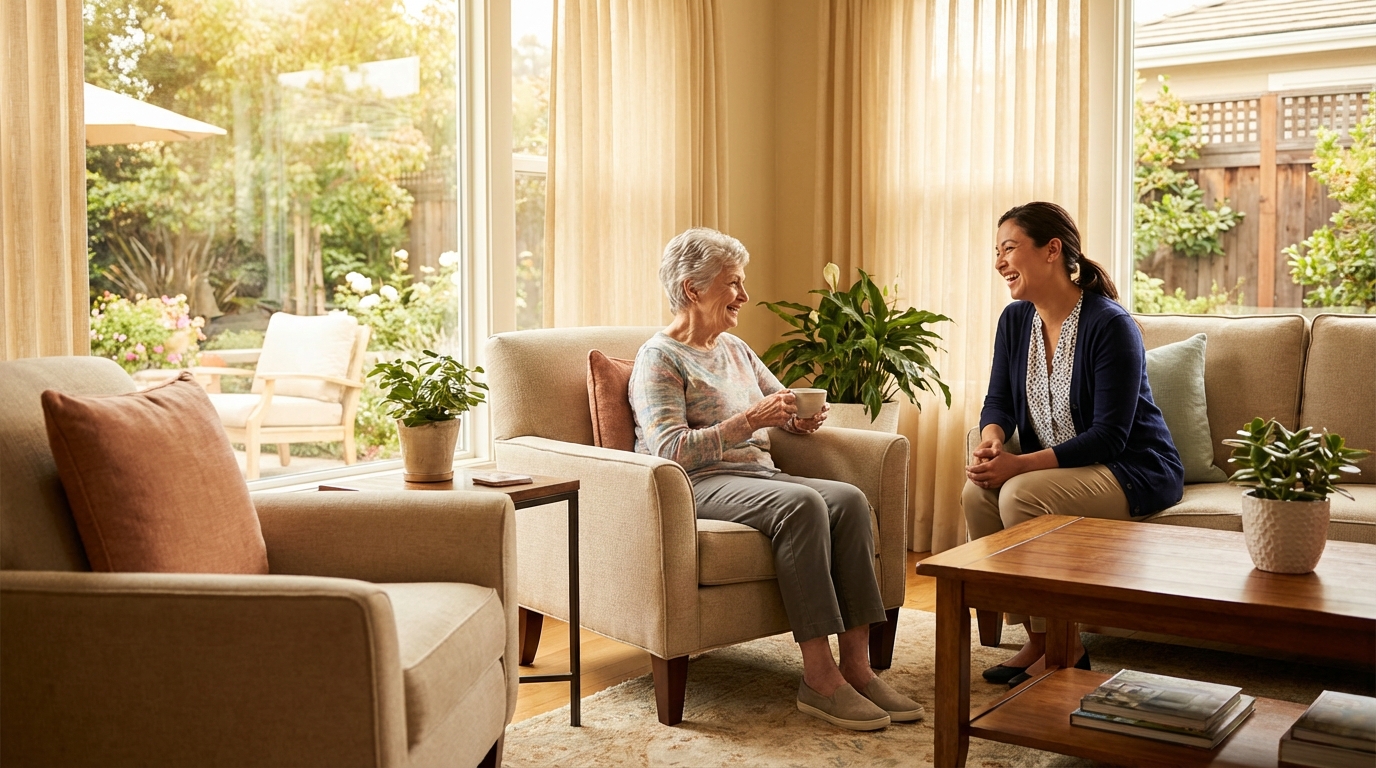
How Care Homes Nurture Families & Residents: A California Guide
Discover how California care homes offer comprehensive support for both residents and their families, fostering peace of mind and well-being.
The decision to move a loved one into a residential care home is often perceived as a transition solely for the resident. However, it's a profound shift that impacts the entire family. While the primary focus of care homes is indeed the well-being of their residents, their role extends significantly beyond that, providing invaluable support, peace of mind, and resources for family members navigating this complex journey.
Easing the Caregiving Burden: A Respite for Families
For many families, especially those who have been providing direct care for an aging loved one, the journey can be incredibly demanding. Juggling personal responsibilities, careers, and the 24/7 needs of a family member can lead to significant physical and emotional burnout. Care homes step in to alleviate this immense pressure, offering a professional and supportive environment.
Professional Expertise and Specialized Care
Residential care homes employ trained professionals, including caregivers, nurses, and activity coordinators, who are equipped to handle a wide range of needs, from daily personal care to medication management and specialized dementia care. This expertise is a significant relief for families who may not have the training or resources to provide such comprehensive care at home.
- Daily Personal Care: Assistance with bathing, dressing, grooming, and mobility.
- Medication Management: Ensuring proper dosage and timely administration of medications.
- Nutritional Support: Providing balanced meals and accommodating dietary restrictions.
- Specialized Care: Expertise in managing conditions like Alzheimer's, Parkinson's, or post-stroke recovery.
Reduced Stress and Enhanced Quality of Life
When the burden of daily care is lifted, families can transition back into their roles as sons, daughters, spouses, or grandchildren, rather than primary caregivers. This allows for more quality time spent on meaningful interactions, fostering stronger emotional bonds and reducing conflict that can arise from caregiving stress. It empowers families to enjoy their loved ones again, focusing on companionship and shared memories.
"Choosing a care home isn't 'giving up' on a loved one; it's providing them with the best possible care while allowing family members to regain balance, reduce stress, and cherish their time together in a new, more fulfilling way."
Peace of Mind and Security
One of the greatest gifts a care home can offer families is peace of mind. Knowing that a loved one is safe, well-cared for, and in a secure environment can significantly reduce anxiety and worry.
24/7 Supervision and Safety
Most residential care homes offer around-the-clock supervision, providing immediate assistance in case of emergencies, falls, or sudden health changes. This level of constant vigilance is often impossible for families to provide in a home setting, especially during the night or when family members are working. Features like emergency call systems, secure premises, and trained staff provide a vital safety net.
Family members can rest easier knowing their loved one is:
- Supervised by trained professionals at all times.
- Receiving prompt attention for any health or personal needs.
- Living in a secure environment designed to prevent wandering or accidents.
- Engaging in stimulating activities that promote well-being.
Access to Healthcare Coordination
Care homes often act as a central hub for coordinating healthcare services. They can arrange doctor's appointments, facilitate transportation to medical visits, and communicate with healthcare providers. This coordination streamlines medical care and ensures that all aspects of a resident's health are being managed effectively, taking a huge administrative load off family members.
Support Systems and Resources for Families
Beyond direct care for residents, many care homes recognize the importance of supporting the entire family unit. They often provide resources, communication channels, and even emotional support for families adapting to this new chapter.
Open Communication and Updates
Reputable care homes prioritize clear and consistent communication with families. This includes regular updates on a resident's health, mood, and activities, as well as opportunities for family meetings and care plan reviews. Knowing what's happening and having an open line of communication fosters trust and reduces uncertainty.
Educational Resources and Counseling
Some care homes offer educational workshops, support groups, or connect families with external counseling services. These resources can be invaluable for understanding the aging process, coping with grief or guilt, and learning strategies to interact effectively with a loved one with cognitive decline. This holistic approach acknowledges the emotional journey families are undergoing.
Fostering Social Connection and Engagement
Care homes don't just provide physical care; they also cultivate a vibrant social environment that benefits residents and, by extension, their families. Loneliness and isolation are significant concerns for many seniors, and care homes actively combat these issues.
Engaging Activities and Community Life
A well-run residential care home offers a diverse calendar of activities, from exercise classes and art therapy to group outings and musical performances. These opportunities for social interaction and mental stimulation can significantly improve a resident's mood, cognitive function, and overall quality of life. Knowing that a loved one is engaged and making new friends brings great joy to families.
For families, this means:
- Less worry about their loved one being lonely or bored.
- More engaging visits, as residents have new experiences to share.
- Opportunities to participate in community events hosted by the care home.
Creating a Welcoming Environment for Family Visits
Care homes understand that family visits are crucial for a resident's well-being. They strive to create comfortable and welcoming spaces for family members to spend time with their loved ones, from private visiting areas to communal lounges. Many also host family events, holidays, and celebrations, helping to maintain a sense of normalcy and togetherness.
Taking the Next Steps with CareHomeSearch
Understanding the extensive support care homes offer to families can make the decision-making process less daunting. If you're exploring options for your loved one, remember that you're not alone. CareHomeSearch is here to help you navigate this important journey.
We invite you to:
- Explore our directory: Browse our comprehensive list of vetted residential care homes in California.
- Read reviews: Learn from the experiences of other families.
- Contact homes directly: Ask questions, schedule tours, and get a feel for the community.
- Utilize our resources: Find articles, guides, and tips to assist you every step of the way.
Let us help you find a care home that not only provides exceptional care for your loved one but also offers your family the peace of mind and support you deserve.
Published by CareHomeSearch Team on February 6, 2026