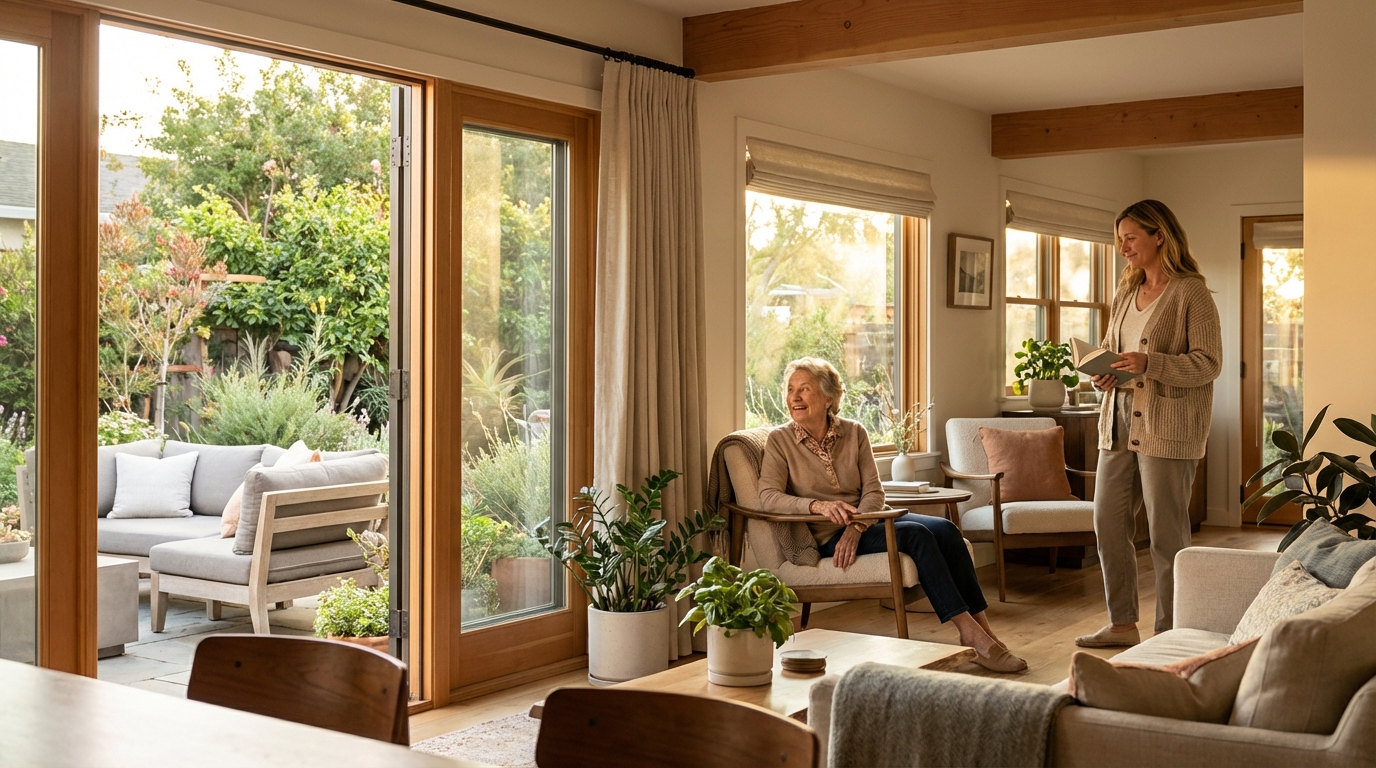
Care Homes: Supporting Families & Residents in California
Discover how California care homes offer invaluable support to both residents and their families, fostering peace of mind and well-being.
When thinking about residential care homes, the focus often naturally falls on the direct care provided to residents. However, the benefits extend far beyond just the individuals living there. Care homes play a crucial, often underestimated, role in supporting the entire family unit, providing peace of mind, valuable resources, and much-needed respite.
Easing the Caregiving Burden: Financial, Emotional, and Physical Relief
Family caregiving is a profound act of love, but it also carries significant burdens. From managing complex medical needs to navigating daily personal care, the demands can quickly become overwhelming, impacting finances, emotional well-being, and even physical health. Care homes step in to alleviate these pressures.
Financial Relief Through Predictable Costs
While the initial thought of care home costs can be daunting, they often offer a more predictable and sometimes more economical solution than a patchwork of in-home care services. Families often find themselves juggling multiple expenses when caring for a loved one at home.
- Bundled Services: Care home fees typically include accommodation, meals, personal care, medication management, and a range of activities. This consolidates many individual costs into one predictable monthly payment.
- Reduced Household Expenses: Families may save on utility bills, home modifications, and specialized equipment that would otherwise be necessary to adapt their home for a loved one’s needs.
- Opportunity for Work: When the caregiving burden is lifted, family members who may have reduced work hours or left their jobs to provide care can return to their careers, helping to stabilize family finances.
Emotional and Physical Respite for Family Caregivers
The emotional and physical toll of continuous caregiving is substantial. Burnout is a common and serious issue, affecting a caregiver's health and the quality of care they can provide.
Respite care, a service often provided or facilitated by care homes, is vital. Even for families whose loved ones are full-time residents, the relief from daily responsibilities is immense.
- Reduced Stress and Anxiety: Knowing a loved one is in a safe, supportive environment with professional care can significantly lower anxiety levels.
- Time for Self-Care: Family members finally have the opportunity to focus on their own physical and mental health, pursue hobbies, or simply rest.
- Reconnection with Other Family Members: The demands of caregiving can strain relationships with spouses, children, and friends. Having an external care system allows family caregivers to nurture these other important connections.
"Care homes aren't just about providing care; they're about restoring balance and well-being to entire families. When a loved one is safely and professionally cared for, family members can transition from full-time caregivers back to being loving spouses, children, or siblings."
Expert Care and Professional Support
Care homes offer a level of specialized care that can be difficult, if not impossible, to replicate at home. This expertise provides families with invaluable reassurance and practical assistance.
Access to Trained Professionals and Specialized Services
Residents in care homes benefit from a team of professionals dedicated to their well-being. This includes:
- Skilled Nurses and Caregivers: Trained in elder care, dementia support, medication management, and first aid.
- Activity Coordinators: Who design engaging therapeutic programs designed to stimulate residents physically, mentally, and socially.
- Dieticians: Ensuring meals are nutritious, tailored to dietary restrictions, and appetizing.
- On-Site or Coordinated Health Services: Many homes have partnerships with visiting physicians, physical therapists, and other specialists, streamlining healthcare needs.
This comprehensive approach means families don't have to coordinate multiple different services or worry about the quality of individual providers – it's all managed under one roof.
Guidance and Education for Family Members
Beyond resident care, many care home staff serve as a resource for families. They can offer insights into the aging process, explain medical conditions, and provide strategies for effective communication with loved ones facing cognitive decline.
They can also guide families on navigating the next steps in their loved one's care journey, such as understanding long-term care insurance or connecting with support groups.
Enhancing Family Relationships and Connection
When the immense pressure of daily caregiving is removed, the nature of family relationships can profoundly change for the better. This shift allows for more meaningful interactions.
Reconnecting as Family, Not Just Caregiver
The constant demands of hands-on care often transform a loving familial bond into primarily a caregiver-patient dynamic. This can be emotionally taxing for both parties.
When a loved one moves into a care home, family members can shed the caregiver role and simply be a daughter, son, spouse, or grandchild again. Visits become opportunities for shared enjoyment, reminiscing, and connection, rather than tasks and responsibilities.
This refocus on relationship rather than routine can strengthen bonds and create new, positive memories.
Community and Social Opportunities for Residents (and Families)
Care homes foster a vibrant community atmosphere that benefits residents, but also indirectly enriches family visits:
- Shared Activities: Families can participate in special events, holiday celebrations, or even regular daily activities with their loved ones, creating shared experiences.
- Peer Support: Family members often connect with other families visiting the care home, forming their own support network with people who understand their journey.
- Demonstrated Happiness: Seeing a loved one engaged, making friends, and participating in activities can bring immense joy and peace of mind to visiting family members.
Peace of Mind and Security
One of the most significant benefits care homes offer families is the invaluable gift of peace of mind. Knowing a loved one is safe, secure, and well-cared for is paramount.
A Safe and Secure Environment
Care facilities are designed with the safety and security of their residents in mind. This includes:
- 24/7 Supervision: Staff are always present to respond to needs, emergencies, or provide assistance.
- Secured Premises: Many homes have controlled access, emergency call systems, and features to prevent wandering, especially crucial for residents with dementia.
- Fall Prevention: Environments are often equipped with adaptations like handrails, non-slip flooring, and appropriate furniture to minimize fall risks.
Proactive Health Monitoring and Emergency Response
Professional caregivers are trained to observe changes in a resident's health or behavior, allowing for early intervention. In the event of a medical emergency, trained staff are on hand to respond promptly and effectively, coordinating with emergency services and notifying families immediately.
This level of constant vigilance and rapid response is incredibly difficult for families to provide in a home setting, especially when balancing work, children, and other responsibilities.
Actionable Next Steps: Finding the Right Support
If you're exploring residential care options for a loved one, remember that you are also seeking support for your family.
CareHomeSearch is here to help you find a facility that meets everyone's needs. Here’s how to proceed:
- Assess Your Needs: Clearly define what type of care your loved one requires (e.g., assisted living, memory care) and what level of support your family needs to feel confident and relieved.
- Utilize CareHomeSearch: Browse our extensive directory of residential care homes in California. Use our filters to narrow down options by location, services offered, and specialized care.
- Schedule Visits: Once you have a shortlist, schedule tours of several homes. Pay attention to the atmosphere, staff-resident interactions, and cleanliness.
- Ask Key Questions: Inquire about family communication policies, support groups for caregivers, social activities, and how they handle emergencies.
- Trust Your Gut: Choose a home where you and your loved one feel comfortable, respected, and genuinely cared for.
By finding the right care home, you're not just providing excellent care for your loved one; you're also investing in the well-being and peace of mind of your entire family.
Published by CareHomeSearch Team on March 10, 2026