Nourishing Seniors: Nutrition & Meal Planning in Quality Care Homes
Discover the importance of nutrition and expert meal planning in California's top care homes. Ensure your loved ones receive the best dietary care for a healthy, happy life.
When searching for a residential care home for your loved one, understanding the quality of care goes far beyond just the facilities and activities. One of the most fundamental yet often overlooked aspects is nutrition and meal planning. A well-nourished individual is a healthier, happier, and more engaged individual, and this is especially true for seniors. This post will delve into why nutrition is so crucial in care homes and what families should look for to ensure their loved one is receiving optimal dietary support.
The Critical Role of Nutrition in Senior Care
As we age, our nutritional needs evolve. Seniors often face unique challenges that can impact their ability to eat well and absorb nutrients effectively. Quality care homes recognize these challenges and prioritize comprehensive meal planning to support overall health and well-being.
Impact on Physical Health
Proper nutrition is the cornerstone of good physical health at any age, but it becomes particularly vital in later life. A balanced diet can significantly reduce the risk of common senior health issues.
- Immune System Support: A robust immune system helps seniors fight off infections, which they are often more susceptible to. Nutrient-rich foods, especially those high in vitamins C, D, and zinc, are essential.
- Chronic Disease Management: For seniors living with conditions like diabetes, heart disease, or osteoporosis, diet plays a critical role in managing symptoms and preventing complications. Care homes should offer meals tailored to these specific needs.
- Bone and Muscle Strength: Adequate intake of calcium, vitamin D, and protein is crucial for maintaining bone density and preventing muscle loss (sarcopenia), reducing the risk of falls and improving mobility.
- Cognitive Function: A diet rich in antioxidants, omega-3 fatty acids, and B vitamins can support brain health and may help slow cognitive decline.
Impact on Mental and Emotional Well-being
The connection between food and mood is powerful. For seniors, feeling well-fed and enjoying their meals contributes greatly to their mental and emotional state.
- Mood Regulation: Regular, balanced meals help stabilize blood sugar levels, preventing energy dips and mood swings. Nutrients like B vitamins and magnesium are known to support mood.
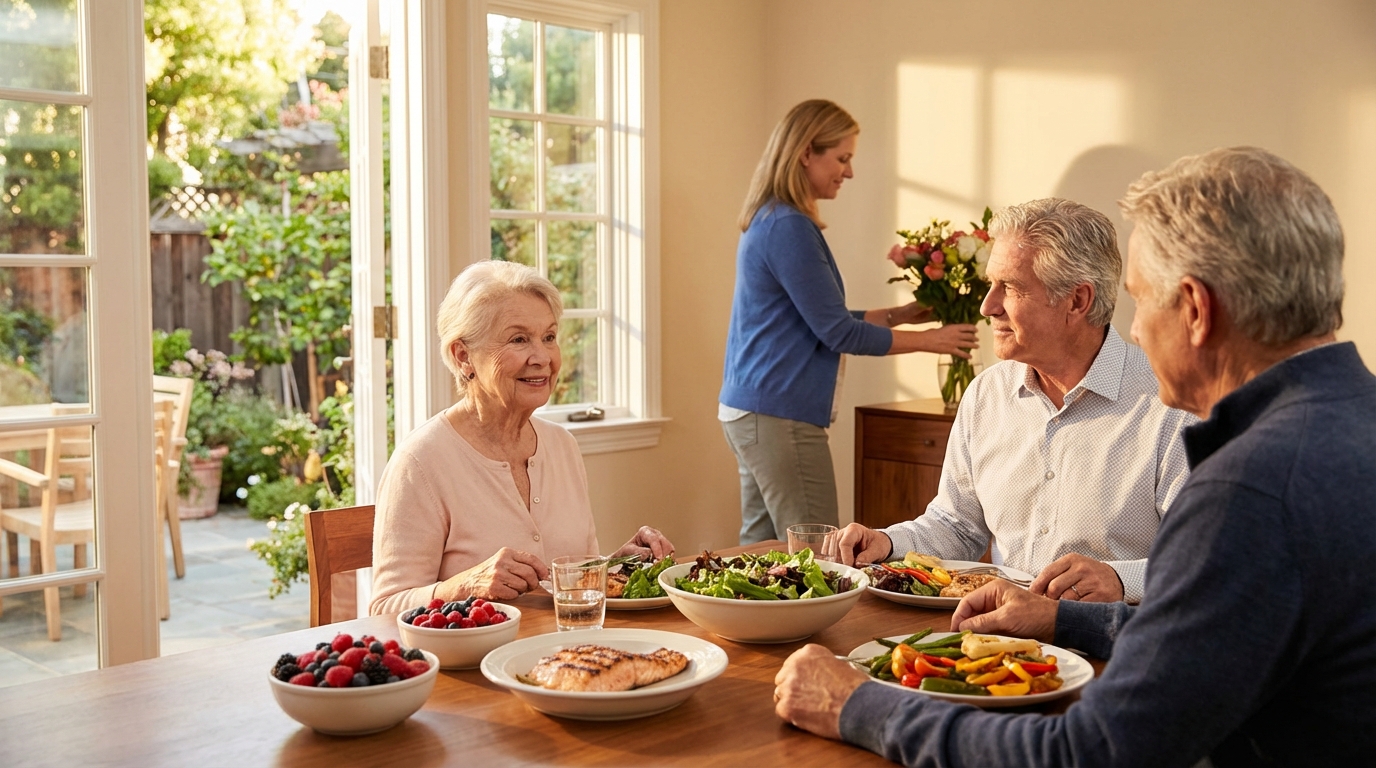
- Social Engagement: Mealtimes in a care home are often significant social events. Enjoying delicious, appealing food in a communal setting can foster connections, reduce feelings of isolation, and enhance overall quality of life.
- Dignity and Comfort: Providing meals that are both nutritious and appealing shows respect for residents. Familiar and comforting foods can evoke positive memories and create a sense of home.
What to Look For in a Care Home's Nutrition Program
When touring potential care homes, don't hesitate to ask detailed questions about their approach to nutrition and meal planning. Here’s what discerning families should pay close attention to:
Personalized Dietary Plans
Every resident is unique, and their dietary needs should be treated as such. A one-size-fits-all approach to meals is a red flag.
- Individual Assessments: Does the care home conduct a thorough nutritional assessment upon admission? This should include a review of medical history, current medications, allergies, dietary restrictions (e.g., vegetarian, gluten-free), cultural preferences, and personal likes/dislikes.
- Dietitian Involvement: Is there a registered dietitian (RD) on staff or regularly consulted? An RD can provide expert guidance on complex dietary needs, help manage chronic conditions through diet, and ensure meals are nutritionally adequate.
- Adaptive Tools: For residents with difficulty chewing or swallowing (dysphagia), are texture-modified meals (e.g., pureed, minced, soft) available and prepared in an appealing way? Are adaptive eating utensils provided if needed?
Tip from CareHomeSearch: Don't just look at a sample menu. Ask to speak with the head chef or dietary manager directly. Their passion and knowledge about resident nutrition will be very evident.
Quality of Food and Meal Preparation
Beyond nutritional content, the quality of ingredients and how meals are prepared significantly impact residents' enjoyment and intake.
- Fresh Ingredients: Does the care home prioritize fresh, seasonal, and locally sourced ingredients when possible? This often translates to better taste and higher nutritional value.
- Variety and Appealing Presentation: Are meals varied and not repetitive? Are they presented attractively? Visual appeal can stimulate appetite, especially for those with reduced senses of taste or smell.
- Hydration: Is water and other healthy fluids readily available throughout the day, not just at mealtimes? Dehydration is a common and serious issue among seniors. Are staff proactive in offering drinks?
- Snacks: Are nutritious snacks offered between meals? This is important for maintaining energy levels and preventing hunger, especially for those with smaller appetites or specific medical needs (e.g., diabetics).
The Dining Experience: More Than Just Food
The environment and social aspects surrounding mealtimes are just as important as the food itself. A positive dining experience can transform eating from a necessity into a pleasurable event.
Atmosphere and Comfort
Consider the dining room setting and how it contributes to residents' overall experience.
- Comfortable Seating: Are chairs comfortable and supportive? Is the dining area easily accessible?
- Pleasant Environment: Is the dining room clean, well-lit, and not overly noisy? Does it have a pleasant ambiance?
- Flexible Mealtimes: Does the care home offer some flexibility with meal times, or are they strictly scheduled? Some residents may prefer to eat later or earlier.
Social Engagement During Meals
Mealtimes are prime opportunities for social interaction and community building.
- Communal Dining: Are meals typically served communally, encouraging residents to eat together?
- Staff Interaction: Do staff members engage residents in conversation during meals? Do they assist residents discreetly and respectfully if needed?
- Special Events: Does the care home host special dinners, holiday meals, or themed culinary events? These can add excitement and a sense of festivity.
Empowering Families: Your Role in Ensuring Quality Nutrition
As a family member, you are your loved one’s strongest advocate. Your active involvement can significantly contribute to their nutritional well-being in a care home.
- Ask Questions During Tours: Use the information above to formulate specific questions about menus, dietary adaptations, staff training, and dietitian involvement. Don't be afraid to request a sample meal or observe a mealtime.
- Communicate Continuously: Share any changes in your loved one's appetite, weight, dental health, or preferences with care home staff. Good communication ensures their dietary plan remains relevant and effective.
- Participate in Care Plan Meetings: Nutritional goals should be a key part of your loved one's overall care plan. Attend these meetings and ensure dietary needs are discussed and reviewed regularly.
- Observe and Report: When you visit, observe your loved one during meals. Are they eating well? Do they seem to enjoy the food? Are they receiving proper assistance if needed? Share your observations respectfully with staff.
- Bring Comfort Foods (with permission): With the care home’s approval, occasionally bringing a favorite healthy snack or homemade treat can be a wonderful way to connect and provide a taste of home.
Conclusion: Prioritizing Nutrition for a Fulfilling Life
Nutrition and meal planning are not just about sustenance; they are about dignity, enjoyment, and enhancing the overall quality of life for seniors in residential care. A care home that excels in this area demonstrates a true commitment to the holistic well-being of its residents. When evaluating options, make nutrition a top priority on your checklist. By asking the right questions and staying involved, you can help ensure your loved one thrives, not just survives, in their new home. For more guidance on finding the perfect residential care home that prioritizes excellent nutritional care, explore the comprehensive resources available on CareHomeSearch.com. We are here to support your journey every step of the way.
Published by CareHomeSearch Team on February 9, 2026