Pet-Friendly Care Homes: Benefits for Seniors & Choosing the Best
Discover the joy and health benefits of pet-friendly care homes for seniors. Learn what to consider when choosing the perfect pet-welcoming environment.
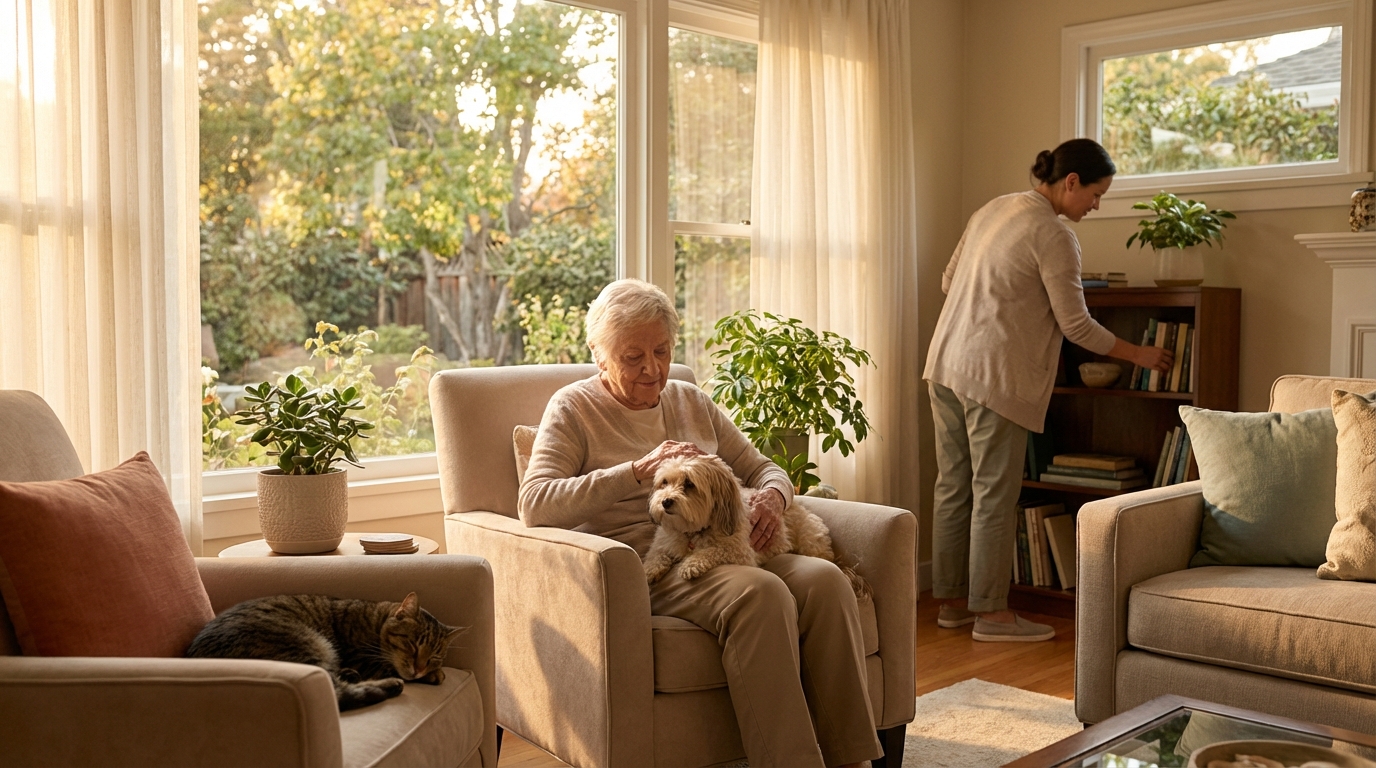
For many seniors, pets are more than just animals; they are beloved family members, providing unwavering companionship, comfort, and joy. The thought of moving into a residential care home can be incredibly stressful, especially if it means being separated from a cherished furry friend. Thankfully, a growing number of residential care homes are recognizing the profound benefits pets bring to seniors' lives and are opening their doors to four-legged residents. This shift towards pet-friendly environments isn't just about accommodation; it's about enhancing emotional well-being, promoting physical health, and fostering a sense of belonging.
The Unconditional Love: Understanding the Bond Between Seniors and Pets
The connection seniors share with their pets is often deep-rooted and provides a unique form of unconditional love and support. For individuals who may be experiencing loneliness, isolation, or a decline in social interaction, a pet can become a vital lifeline, offering constant companionship and a sense of purpose. This bond is not merely sentimental; it has tangible positive impacts on their mental, emotional, and even physical health.
Emotional and Psychological Benefits
The presence of a pet can significantly enhance a senior's emotional and psychological well-being. The simple act of petting an animal can release endorphins, which have mood-boosting and stress-reducing effects. Pets also provide a sense of routine and responsibility, which can be incredibly valuable for seniors. Knowing that a furry friend relies on them for care can instill a renewed sense of purpose and self-worth.
- Reduced Feelings of Loneliness: Pets offer constant companionship, mitigating feelings of isolation that can often accompany aging or a move to a new environment.
- Decreased Stress and Anxiety: Interacting with pets is proven to lower cortisol levels and increase oxytocin, promoting relaxation and reducing anxiety.
- Improved Mood: Pets provide a source of joy and amusement, with their playful antics often bringing smiles and laughter.
- Enhanced Sense of Purpose: Caring for a pet provides daily routines and responsibilities, giving seniors a reason to get up and be active.
- Increased Social Interaction: Pets can act as social catalysts, encouraging interactions with other residents, staff, and visitors who are also pet lovers.
Physical Health Advantages
Beyond emotional support, pets can also contribute to the physical health of seniors, sometimes in surprising ways. While a highly active dog might necessitate more movement, even a calm cat can encourage gentle activity.
- Increased Physical Activity: Walking a dog, even for short distances, can improve cardiovascular health, mobility, and strength.
- Lowered Blood Pressure: Studies have shown that pet owners often have lower blood pressure than non-pet owners.
- Improved Motor Skills: Fine motor skills can be maintained or even improved through activities like grooming a pet or preparing their food.
- Better Sleep: The calming presence of a pet can contribute to more restful sleep for some seniors.
What to Look For: Identifying a Truly Pet-Friendly Care Home
When searching for a pet-friendly care home, it's essential to look beyond a simple "pets allowed" policy. A truly pet-friendly environment will have clear guidelines, supportive staff, and amenities that cater to furry residents. Here’s what to consider during your search:
- Clear Pet Policies: Understand the specific rules regarding pet size, breed restrictions, vaccination requirements, and behavioral expectations.
- Designated Pet Areas: Look for outdoor spaces for walks, exercise, and relief, as well as indoor common areas where pets might be welcome.
- Staff Training: Inquire about whether staff are trained in basic pet care or if there are specific pet-loving staff members who can assist residents.
- Pet-Related Services: Some homes might offer or facilitate services like grooming, walking, or veterinary visits.
- Pet Fee Structure: Be aware of any one-time or recurring pet fees, which can vary widely.
Tip: Don't just ask if pets are allowed; ask to see the specific pet policies in writing. This ensures transparency and helps you understand the full scope of their pet accommodations before making a decision.
Addressing Common Concerns: Making Pet Ownership in Care Homes Work
While the benefits of pet companionship are clear, care homes must also address practical considerations to ensure the comfort and safety of all residents, both human and animal. Reputable pet-friendly facilities will have protocols in place to manage these concerns effectively.
Managing Pet Care Responsibilities
One of the primary concerns is ensuring that the senior can adequately care for their pet. This is where the care home's support system becomes crucial.
- Resident Independence: Homes often assess a senior's ability to care for their pet, including feeding, walking, and grooming.
- Staff Assistance: For residents who need extra help, inquire about the level of assistance staff can provide. This might range from reminders to full assistance with pet care tasks.
- Emergency Plans: What happens if a resident becomes ill and cannot care for their pet temporarily? A good facility will have a plan for such situations, ensuring the pet continues to receive care.
Safety and Hygiene Protocols
Maintaining a safe and hygienic environment is paramount in any residential care setting, especially when pets are involved. Pet-friendly homes will have established measures to ensure this.
- Vaccination Requirements: All pets should be up-to-date on vaccinations and preventative parasite treatments.
- Behavioral Assessments: Some homes may require a behavioral assessment for pets to ensure they are well-behaved and do not pose a risk to other residents.
- Hygiene Practices: Policies on waste disposal, cleaning protocols, and managing allergens should be clearly communicated.
- Visitor Guidelines: Clearly defined rules for visits from outside pets can prevent issues and ensure a calm environment.
The Bigger Picture: Pets and Community Integration
Pet-friendly policies do more than just accommodate individual seniors and their animals; they can foster a more vibrant and engaging community within the care home. Pets often serve as natural ice-breakers, leading to more social interaction among residents and staff.
Watching a dog chase a ball, or listening to a resident describe their cat's latest antics, can bring smiles and laughter to communal areas. These shared moments create a more relaxed and home-like atmosphere, reducing the institutional feel that some care homes can inadvertently project. Furthermore, pet-visiting programs, where therapy animals or staff pets come to interact with residents, even those without their own pets, highlight the broader understanding of animal-assisted therapy's benefits.
Taking the Next Step: Finding Your Pet-Friendly Care Home
If you or your loved one cannot imagine life without a beloved pet, don't despair. The growing trend of pet-friendly residential care homes means there are options available. CareHomeSearch is here to help you navigate this important decision.
Here’s how to proceed:
- Start Your Search Online: Utilize directories like CareHomeSearch to filter for pet-friendly facilities in your desired area.
- Ask Detailed Questions: When you contact potential homes, be specific about their pet policies. Don't be afraid to delve into the details mentioned above.
- Schedule a Visit (with your pet, if possible): A visit can provide invaluable insight. Pay attention to how pets are integrated into the community and observe interactions. If permitted, bring your pet along for a brief visit to see how they adapt to the environment.
- Talk to Current Residents: If possible, speak with residents who have pets to get their firsthand perspective on living in a pet-friendly environment.
- Consider Professional Help: Consult with a senior care advisor who specializes in pet-friendly placements if you need personalized guidance.
Ensuring your loved one can continue to live alongside their cherished companion can make all the difference in their successful transition and overall happiness in a residential care setting. With careful planning and thorough research, you can find a warm, welcoming, and pet-friendly environment that feels truly like home.
Published by CareHomeSearch Team on January 25, 2026