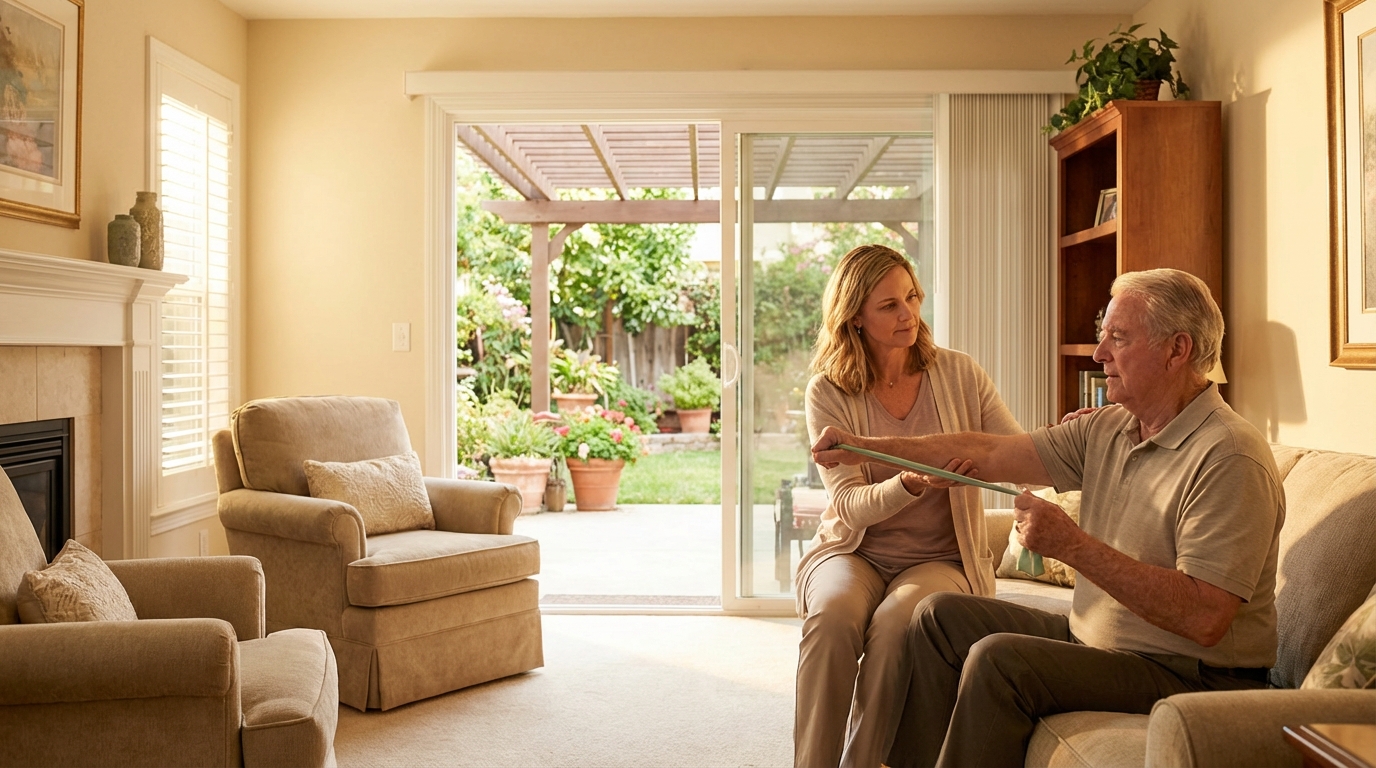
Physical Therapy & Rehab in California Care Homes
Discover the benefits of physical therapy and rehabilitation services offered in California care homes for seniors. Learn how these services enhance recovery, mobility, and overall well-being.
When a loved one is recovering from an illness, injury, or surgery, or managing a chronic condition, the idea of moving them to a care home can bring many questions. One of the most common and vital concerns is access to quality physical therapy and rehabilitation services. Fortunately, modern residential care homes often provide comprehensive programs designed to promote healing, improve mobility, and enhance overall quality of life. Understanding these services can bring immense peace of mind and help you make the best decision for your family member.
The Crucial Role of Physical Therapy in Care Homes
Physical therapy (PT) is an essential component of holistic care, especially for seniors. In a care home setting, PT focuses on helping residents regain or maintain their physical function, reduce pain, and prevent further decline. It’s not just about recovering from an acute event; it's also about managing long-term conditions and promoting independence.
Beyond Recovery: Proactive and Preventative PT
While recovery from a fall or surgery is a common reason for PT, its role in a care home extends much further. Proactive physical therapy can help residents:
- Improve Balance and Reduce Fall Risk: Many seniors experience balance issues, making falls a significant concern. PT can strengthen core muscles, improve coordination, and teach strategies to prevent falls.
- Manage Chronic Pain: Conditions like arthritis or back pain can be debilitating. Physical therapists use various techniques, including exercise, massage, and heat/cold therapy, to alleviate pain and improve function.
- Maintain Mobility and Flexibility: Regular movement is crucial for preventing stiffness, muscle atrophy, and joint contractures. PT programs are tailored to keep residents as active and flexible as possible.
- Enhance Cardiovascular Health: Gentle exercises and movement can contribute to better heart health and stamina, indirectly improving overall well-being.
Common Conditions Benefiting from Care Home PT
Residents in care homes often face a range of health challenges where physical therapy plays a significant role in their care plan. These include:
- Post-Stroke Rehabilitation: Targeting strength, coordination, and mobility to regain lost function.
- Post-Surgical Recovery: Especially after orthopedic surgeries like hip or knee replacements.
- Arthritis Management: Reducing pain and improving joint movement.
- Parkinson's Disease: Managing gait, balance, and fine motor skill challenges.
- Dementia-Related Mobility Issues: Maintaining safe movement and preventing muscular decline.
- Generalized Weakness and Deconditioning: Often seen after prolonged illness or hospital stays.
Expert Tip: When touring care homes, ask specifically about their physical therapy program. Inquire about the qualifications of their therapists, the types of equipment available, and how individualized care plans are developed for residents.
Types of Rehabilitation Services Offered
Rehabilitation in care homes isn't limited to just physical therapy. A truly comprehensive program often includes a multidisciplinary approach, incorporating occupational therapy and sometimes speech therapy, to address all aspects of a resident's functional independence.
Occupational Therapy (OT) for Daily Living
While physical therapy focuses on gross motor skills and mobility, occupational therapy helps residents engage in the "occupations" of daily life. This includes a wide range of activities essential for independence:
- Activities of Daily Living (ADLs): Training for tasks like dressing, bathing, grooming, and eating.
- Instrumental Activities of Daily Living (IADLs): For residents who are able, this might include managing medication, light housekeeping, or meal preparation.
- Adaptive Equipment Training: Helping residents learn to use assistive devices such as grab bars, reachers, or specialized eating utensils.
- Cognitive Rehabilitation: For residents with cognitive impairments, OT can help improve memory, problem-solving, and organization skills relevant to daily tasks.
- Home Modifications: Therapists can assess a resident's living space within the care home and suggest modifications to enhance safety and accessibility.
Speech-Language Pathology (SLP) Services
Speech therapy, conducted by a Speech-Language Pathologist, is crucial for residents who experience difficulties with communication or swallowing. These services can address:
- Swallowing Disorders (Dysphagia): Helping residents learn safe swallowing techniques to prevent choking and aspiration pneumonia, often involving dietary modifications.
- Speech and Language Disorders: Addressing issues resulting from stroke, Parkinson's, or other neurological conditions, improving residents' ability to express themselves and understand others.
- Cognitive-Communication: Working on memory, attention, problem-solving, and executive function skills that impact daily communication.
The Interdisciplinary Team Approach
Effective rehabilitation within a care home relies on a coordinated effort from an interdisciplinary team. This means that therapists, nurses, care staff, and even family members work together to create and implement a cohesive care plan.
Collaboration for Comprehensive Care
An ideal care home rehabilitation program involves:
- Regular Team Meetings: Healthcare professionals meet to discuss resident progress, challenges, and adjust care plans as needed.
- Shared Goals: All team members understand and support the resident's rehabilitation goals, reinforcing therapy techniques in daily interactions.
- Family Involvement: Families are often included in discussions and educated on how to support their loved one's therapy goals.
- Holistic View: The team considers not only physical needs but also emotional, social, and cognitive aspects of the resident's well-being.
Choosing a Care Home with Strong Rehab Services
Finding a residential care home that prioritizes and excels in rehabilitation can significantly impact your loved one's quality of life and recovery potential. Here's what to look for:
Key Questions to Ask Prospective Care Homes
When you're evaluating care homes, don't hesitate to ask detailed questions about their rehabilitation services:
- Are physical, occupational, and speech therapy provided on-site? If not, how are these services accessed (e.g., transport to an outpatient clinic)?
- Are therapy services included in the monthly fee, or are they billed separately? Clarify insurance coverage and out-of-pocket expenses.
- What are the qualifications and experience levels of the therapists on staff? Are they licensed and specialized in geriatric care?
- How often do residents typically receive therapy, and how long are sessions? Is the frequency tailored to individual needs?
- How is a resident’s rehabilitation plan developed and updated? Is it individualized, and who is involved in the process?
- What kind of equipment is available for therapy (e.g., treadmills, parallel bars, modalities)?
- How do you track and communicate progress with residents and their families?
- What support is available to help residents maintain their gains after formal therapy ends? (e.g., exercise programs, wellness activities).
- Can I observe a therapy session or meet a therapist?
Understanding the Difference: In-House vs. Contracted Services
Care homes may offer therapy services in two primary ways:
- In-House Therapy Team: The care home directly employs its therapists. This can lead to seamless communication between therapy and care staff, a deeper understanding of residents' long-term needs, and potentially more consistent scheduling.
- Contracted Therapy Services: The care home partners with an outside agency to provide therapists. This is a common model and can still offer excellent care, but it's important to ask about the frequency of their visits, how they integrate with the care home's staff, and how well they know the residents.
Next Steps: Advocating for Your Loved One’s Best Care
Choosing a care home with robust physical therapy and rehabilitation services is a proactive step in ensuring your loved one maintains their independence, dignity, and quality of life. As you navigate this important decision, remember:
- Research Thoroughly: Utilize resources like CareHomeSearch to find residential care homes that advertise strong rehabilitation programs.
- Schedule Tours and Interviews: Visit potential homes, speak with the staff, and ideally, meet some of the therapy team.
- Ask Specific Questions: Use the questions provided above to guide your conversations and gain clarity.
- Trust Your Gut: Observe the environment. Does it feel supportive? Are residents engaged and active?
- Advocate Continuously: Even after your loved one moves in, remain an active participant in their care planning, regularly checking on their progress and needs.
By prioritizing comprehensive rehabilitation services, you can help your loved one thrive in their new home, regaining strength, confidence, and enjoying a fuller, more active life.
Published by CareHomeSearch Team on February 5, 2026