Physical Therapy & Rehab in California Care Homes
Discover the benefits of physical therapy and rehabilitation services offered in California care homes. Learn how these services enhance residents' well-being and recovery.
When a loved one faces a health challenge, injury, or simply the natural decline associated with aging, ensuring they receive comprehensive care is paramount. For many families exploring senior living options in California, the availability of robust physical therapy and rehabilitation services within a care home setting can be a deciding factor. This isn't just about managing daily tasks; it's about enhancing quality of life, promoting independence, and fostering a sense of well-being.
The Vital Role of Physical Therapy in Care Homes
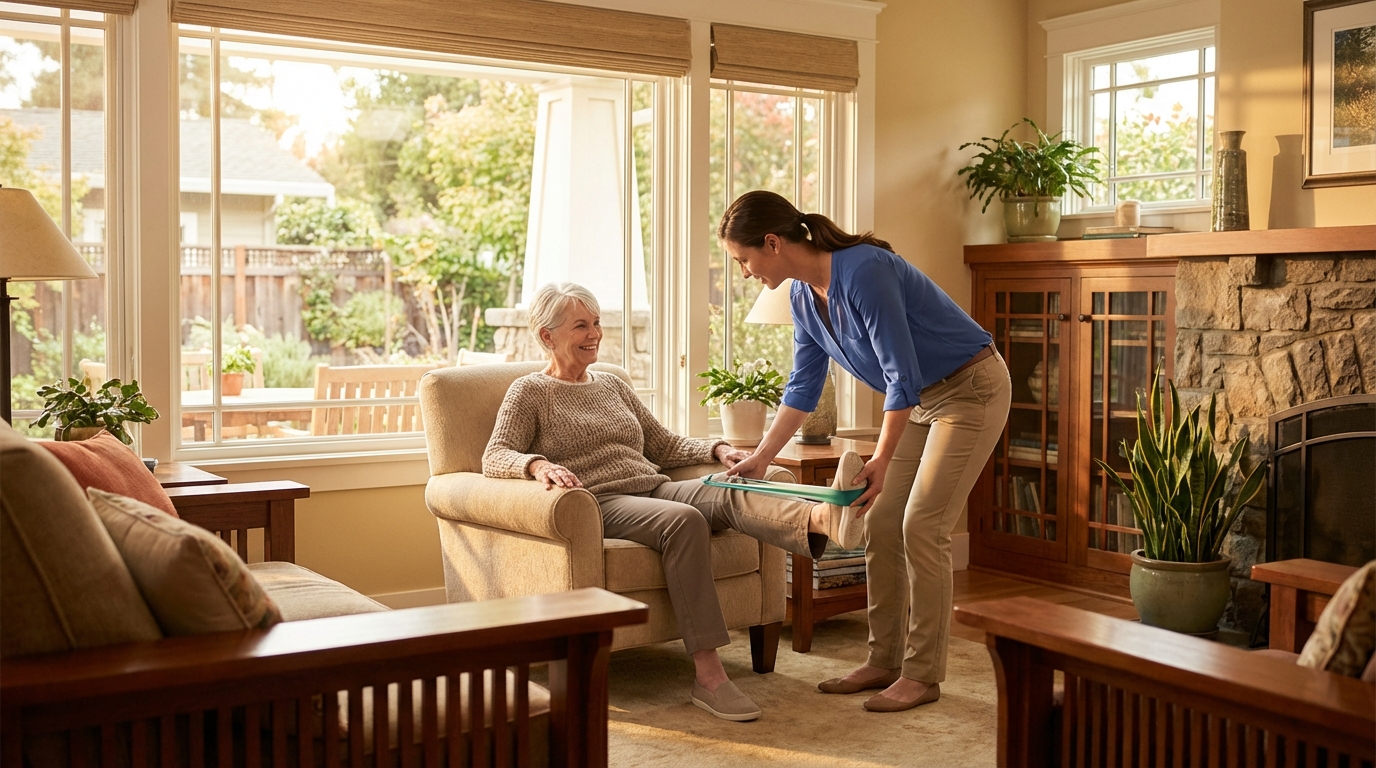
Physical therapy (PT) is an essential component of holistic senior care, particularly for residents navigating various health conditions. In a residential care home, readily accessible PT services mean that residents can receive consistent, personalized treatment plans without the stress of frequent transportation to external clinics. The goal of PT is multifaceted: to restore function, reduce pain, prevent disability, and promote health and fitness.
For seniors, physical therapy can address a wide range of issues, from mobility limitations and balance problems to post-surgical recovery and chronic pain management. It's about empowering individuals to regain lost abilities and maintain their independence for as long as possible, significantly improving their comfort and dignity.
Who Benefits from On-site Physical Therapy?
While often associated with recovery from acute events, physical therapy offers broad benefits to many care home residents. Here are some common scenarios where PT proves invaluable:
- Post-Stroke Recovery: Helping residents regain motor skills, coordination, and speech.
- Joint Replacement Rehabilitation: Guiding patients through exercises to strengthen muscles and improve range of motion after hip or knee surgery.
- Fall Prevention: Assessing balance, strength, and gait to develop strategies and exercises to reduce the risk of dangerous falls.
- Chronic Pain Management: Utilizing therapeutic exercises, manual therapy, and other modalities to alleviate persistent pain.
- Arthritis Management: Designing programs to maintain joint flexibility, reduce stiffness, and strengthen supporting muscles.
- General Deconditioning: For residents who have experienced prolonged illness or inactivity, PT can help rebuild strength and endurance.
How Physical Therapy Enhances Quality of Life
Beyond the direct physical improvements, physical therapy significantly impacts a resident's overall quality of life. By increasing mobility and reducing pain, residents can participate more fully in social activities, maintain their hobbies, and perform daily tasks with less assistance. This increase in independence fosters self-esteem and reduces feelings of helplessness, combating depression and isolation often associated with declining health in seniors.
Moreover, consistent PT can act as a preventative measure, slowing the progression of age-related conditions and reducing the likelihood of future injuries, thereby contributing to a more stable and enjoyable senior living experience.
Understanding Rehabilitation Services
Rehabilitation services encompass a broader spectrum than just physical therapy. While PT focuses primarily on gross motor skills, strength, balance, and mobility, a comprehensive rehabilitation program often includes occupational therapy (OT) and sometimes speech-language pathology (SLP). These services work synergistically to help residents achieve the highest possible level of function and independence.
In a care home setting, integrated rehabilitation means that various therapists can collaborate, sharing insights and coordinating care plans to address all aspects of a resident's recovery and ongoing needs. This multidisciplinary approach ensures a more holistic and effective path to well-being.
Occupational Therapy (OT): Regaining Daily Independencde
Occupational therapists focus on helping individuals perform important "occupations" – the activities of daily living (ADLs) and instrumental activities of daily living (IADLs). For seniors, this can involve:
- Dressing and Grooming: Teaching adaptive techniques or recommending assistive devices.
- Bathing and Toileting: Enhancing safety and independence in personal hygiene.
- Eating and Drinking: Addressing issues with fine motor skills or adaptive feeding tools.
- Meal Preparation: Practicing safe and efficient kitchen skills.
- Medication Management: Developing strategies for consistent and accurate medication intake.
- Cognitive Strategies: Helping residents with memory or focus issues to manage their daily routines.
OT is crucial for empowering residents to manage their personal care and engage in meaningful activities, thereby enhancing their dignity and sense of purpose.
Speech-Language Pathology (SLP): Communication and Swallowing Support
Speech-Language Pathologists play a critical role in addressing communication and swallowing disorders, which are common among seniors, especially following a stroke, dementia, or other neurological conditions. Their services include:
- Dysphagia (Swallowing Disorders): Assessments and therapies to improve safe swallowing and reduce the risk of aspiration pneumonia.
- Aphasia and Dysarthria: Helping residents regain or maintain speech and language abilities lost due to neurological damage.
- Cognitive-Communication: Addressing problems with memory, attention, problem-solving, and organization that impact communication.
- Voice Disorders: Improving vocal quality and strength.
Effective communication and safe eating are fundamental to human connection and quality of life, making SLP services incredibly valuable in a care home environment.
Choosing a Care Home with Quality Rehabilitation Services
When you're evaluating residential care homes for a loved one in California, don't overlook the specifics of their rehabilitation offerings. The presence of these services can significantly impact your loved one's ability to maintain health and independence.
Important Tip: Don't just ask if a care home offers physical therapy; inquire about the specifics. Ask about the frequency, duration, and personalization of therapy plans, as well as the qualifications and experience of the therapists.
Here are key questions to ask when touring facilities:
- Are physical, occupational, and speech therapies offered on-site, or do residents need to travel?
- Are the therapists employees of the facility, or are they contracted from an external agency?
- What are the qualifications and experience levels of the therapy staff?
- How is a resident's need for therapy assessed, and how often are reassessments conducted?
- Is therapy tailored to individual goals and capabilities, or are generic programs used?
- What is the typical ratio of residents to therapists during sessions?
- How does the therapy team communicate with families and other care staff about a resident's progress?
- Are there dedicated therapy spaces and specialized equipment available?
The Benefits of Integrated Care and Continuous Monitoring
One of the significant advantages of having rehabilitation services within a care home is the seamless integration of care. The therapy team can easily communicate and collaborate with nursing staff, care providers, and physicians, ensuring that everyone involved in a resident's care is on the same page. This creates a unified approach that optimizes outcomes and minimizes potential conflicts in care plans.
Furthermore, residents benefit from continuous monitoring. Therapists working regularly within the care home environment are better positioned to observe a resident's day-to-day functional abilities and adapt therapy plans as needed. This ongoing assessment helps prevent setbacks and supports sustained improvement, fostering a more secure and nurturing environment for seniors.
The familiarity of receiving therapy in their home environment also provides comfort and reduces anxiety for residents. They don't have to endure transportation stress, which can be particularly challenging for those with mobility issues or cognitive impairments. This convenience promotes better adherence to therapy programs and, ultimately, better results.
Next Steps: Finding the Right Care Home with CareHomeSearch
Understanding the critical role of physical therapy and rehabilitation in senior care is the first step. The next is finding a care home that aligns with your loved one's specific needs and preferences. At CareHomeSearch, we understand the complexities of this decision and are here to help you navigate your options.
As you plan your search for a residential care home in California, prioritize facilities that offer robust and personalized rehabilitation services. Don't hesitate to ask detailed questions and tour potential homes to see their therapy facilities firsthand. Our comprehensive directory allows you to filter and compare care homes based on the services they provide, making your search more efficient and effective.
Begin your search today for a care home that supports not only your loved one's daily needs but also their physical and cognitive well-being through excellent rehabilitation programs. Your loved one deserves a place where they can thrive, regain independence, and enjoy a fulfilling life.
Published by CareHomeSearch Team on February 25, 2026