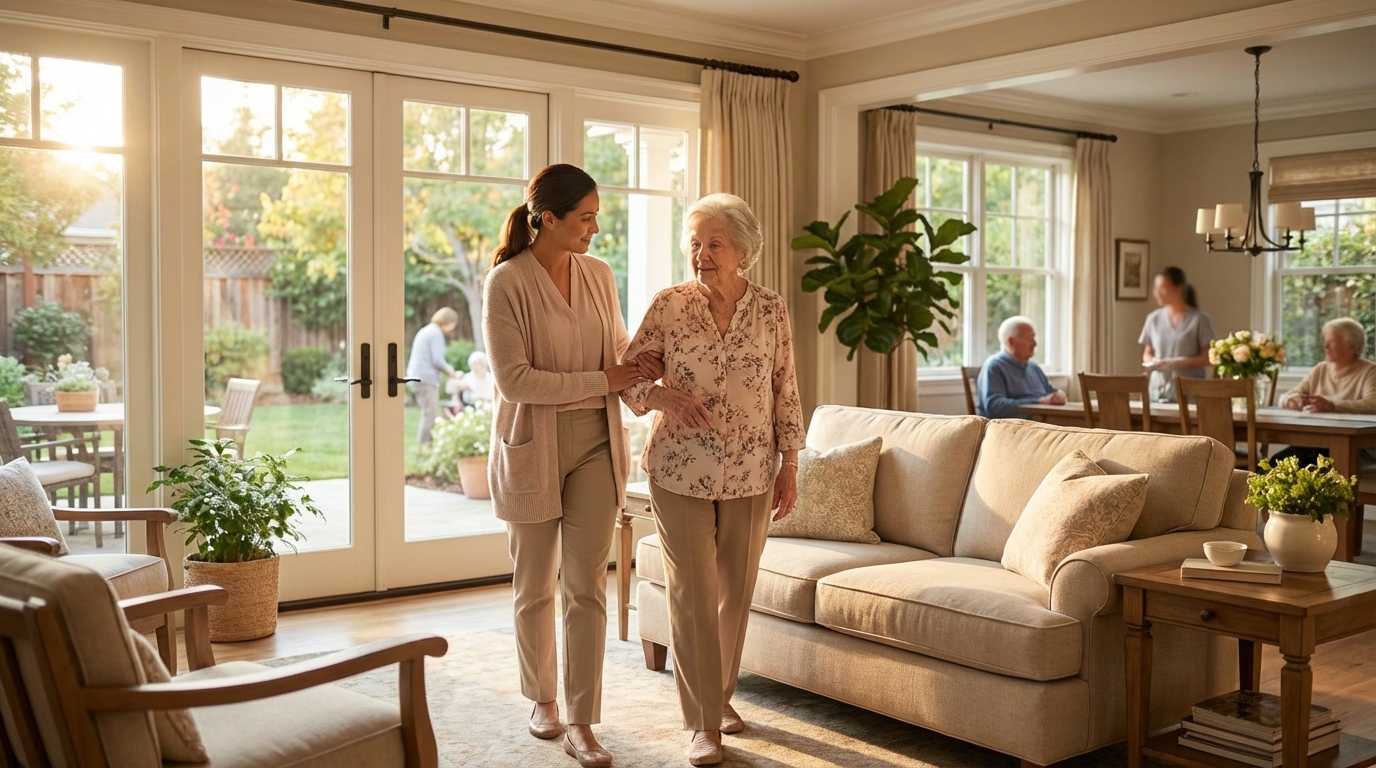
Choosing a Care Home: Qualities of Excellent Staff & Caregivers
Discover essential qualities to look for in care home staff and caregivers to ensure your loved one receives the best possible care in California.
Entrusting the care of your beloved family member to others is one of the most significant decisions you’ll ever make. While the facilities, amenities, and overall atmosphere of a care home are important, the heart of any excellent care community lies within its staff. These are the individuals who will directly impact your loved one's daily life, comfort, and well-being.
Understanding what qualities, qualifications, and compassionate approaches to look for in care home staff and caregivers can empower you to make an informed choice. At CareHomeSearch, we believe that exceptional care starts with exceptional people.
The Foundation: Essential Qualifications and Training
Beyond a warm smile, caregivers need to possess a solid foundation of professional qualifications and ongoing training. These ensure they can provide both competent and safe care.
Required Certifications and Experience
Always inquire about the specific certifications and experience levels of the care staff. While requirements can vary slightly by state and type of care home, some are universally crucial.
- Certified Nursing Assistant (CNA) or Home Health Aide (HHA) Certification: Many caregivers will hold one of these certifications, demonstrating a foundational understanding of patient care, hygiene, mobility assistance, vital signs, and basic medical procedures.
- First Aid and CPR Certification: Absolutely non-negotiable. In an emergency, swift and correct action can be life-saving.
- Medication Management Training: If your loved one requires help with medication, ensure staff are properly trained and often certified to administer and manage medications, understanding dosages, side effects, and proper documentation.
- Experience Level: While new talent is valuable, a good balance of experienced caregivers can bring a wealth of practical knowledge and crisis management skills. Ask about the average tenure of staff at the facility.
Specialized Training for Specific Needs
If your loved one has particular health challenges, specialized training becomes paramount. Don't assume all staff are experts in every condition.
- Dementia and Alzheimer's Care: Look for staff with specific training in memory care, including understanding challenging behaviors, communication techniques for cognitive impairment, and creating a supportive environment.
- Palliative or Hospice Care: If end-of-life care is a consideration, staff should have training in symptom management, emotional support for residents and families, and maintaining dignity.
- Diabetes Management: For residents with diabetes, staff should be knowledgeable about blood sugar monitoring, insulin administration (if applicable), and dietary needs.
- Mobility Assistance and Fall Prevention: Training in safe lifting techniques, proper use of assistive devices, and strategies to prevent falls is essential for residents with mobility issues.
The Heart of Care: Compassion and Communication
Qualifications are the backbone, but compassion is the heart of excellent care. Look for genuinely caring individuals who can connect with residents on a personal level.
Empathy and Patience
Caring for seniors, especially those with cognitive or physical challenges, requires immense patience and empathy. Observe how staff interact with residents during your visits.
Do they:
- Listen attentively, even when residents struggle to express themselves?
- Respond with kindness and understanding to repeated questions or challenging behaviors?
- Show genuine concern for a resident's comfort and emotional state?
- Maintain a calm demeanor under pressure?
Effective Communication Skills
Good communication is a two-way street. Not only should staff be able to understand and respond to residents, but they also need to communicate clearly and regularly with families.
Consider if staff:
- Communicate clearly with residents: Using simple, uncluttered language, making eye contact, and speaking at an appropriate pace.
- Provide regular updates to families: Informing you about your loved one's health status, mood, and any significant changes or incidents.
- Listen to family concerns: Making you feel heard and respected, and demonstrating a willingness to address issues collaboratively.
- Can resolve conflicts professionally: Both among residents and between staff and residents.
Caregiver Spotting Tip: While visiting, pay attention to how caregivers interact with ALL residents, not just those they know you're observing. Look for spontaneous acts of kindness, gentle touches, and genuine smiles.
Professionalism and Reliability
Beyond certifications and compassion, a professional and reliable approach ensures consistent, high-quality care.
High Standards of Professionalism
Professionalism encompasses a range of behaviors and attitudes that reflect a commitment to their role and the well-being of residents.
- Respect for Privacy and Dignity: Caregivers should always treat residents with the utmost respect, maintaining their privacy and dignity in all aspects of care.
- Adherence to Ethical Standards: This includes honesty, integrity, and avoiding conflicts of interest.
- Cleanliness and Hygiene: Staff should maintain high standards of personal hygiene, contributing to a clean and healthy environment for residents.
- Professional Boundaries: While building rapport is crucial, staff should maintain professional boundaries, focusing on the resident's needs.
Consistence and Reliability
A stable and reliable staff team contributes significantly to a resident's sense of security and well-being. High staff turnover can be disruptive and stressful for residents.
Inquire about:
- Staff-to-Resident Ratios: Are there enough staff members on duty at all times to adequately meet the needs of all residents, especially during peak hours and overnight? Lower ratios generally mean more personalized attention.
- Staffing Consistency: Does the care home work to ensure residents have consistent caregivers, fostering stronger relationships and understanding of individual needs?
- Punctuality and Attendance: Reliable staff ensure that care routines are maintained without interruption.
- Backup Plans: How does the facility handle staff absences due to illness or vacation? Is there adequate backup to maintain care levels?
Engaging and Supportive Environment
The best care homes have staff who don't just provide physical care, but also foster a vibrant, engaging, and supportive atmosphere.
Promoting Independence and Engagement
Excellent caregivers empower residents, helping them maintain as much independence as possible and encouraging participation in activities.
- Do staff encourage residents to do what they can for themselves, even if it takes a little longer?
- Are they actively involved in engaging residents in group activities, conversations, and hobbies?
- Do they celebrate small victories and successes?
- Do they foster a sense of purpose and belonging for residents?
Teamwork and Management Support
A well-run care home features a cohesive team supported by strong leadership. Staff who feel valued and supported by their management are more likely to provide better care.
When you visit, observe:
- Does the staff appear to work well together, communicating effectively and supporting one another?
- Does management seem accessible and responsive to both staff and family concerns?
- Are there processes for staff training, evaluation, and feedback?
Taking the Next Steps: Your Action Plan
Finding the right care home staff is a journey that requires keen observation, thoughtful questioning, and trusting your instincts. Here’s a plan to help you evaluate potential caregivers:
- Ask Detailed Questions: Don't hesitate to ask the care home administrators about staff qualifications, training programs, staff-to-resident ratios, and employee turnover rates.
- Observe During Visits: Spend time in common areas and during mealtimes. Watch how staff interact with residents, visitors, and each other. Are they attentive? Warm? Engaging?
- Speak with Other Families: If possible, discreetly ask other residents' family members about their experiences with the staff.
- Trust Your Gut: While all the professional boxes might be checked, if something feels off, pay attention to that feeling. The emotional connection and atmosphere are incredibly important.
- Schedule a Trial Period (If Available): Some facilities offer short-term stays, which can be an excellent way to evaluate the staff and the care home environment before making a long-term commitment.
- Follow Up Regularly: Once your loved one is settled, maintain open lines of communication with the staff and management. Regular check-ins ensure that care standards are maintained.
At CareHomeSearch, we understand the stakes are high. By focusing on these key aspects of care home staff and caregivers, you can confidently choose a community where your loved one will not only be well-cared for but truly thrive.
Published by CareHomeSearch Team on February 18, 2026