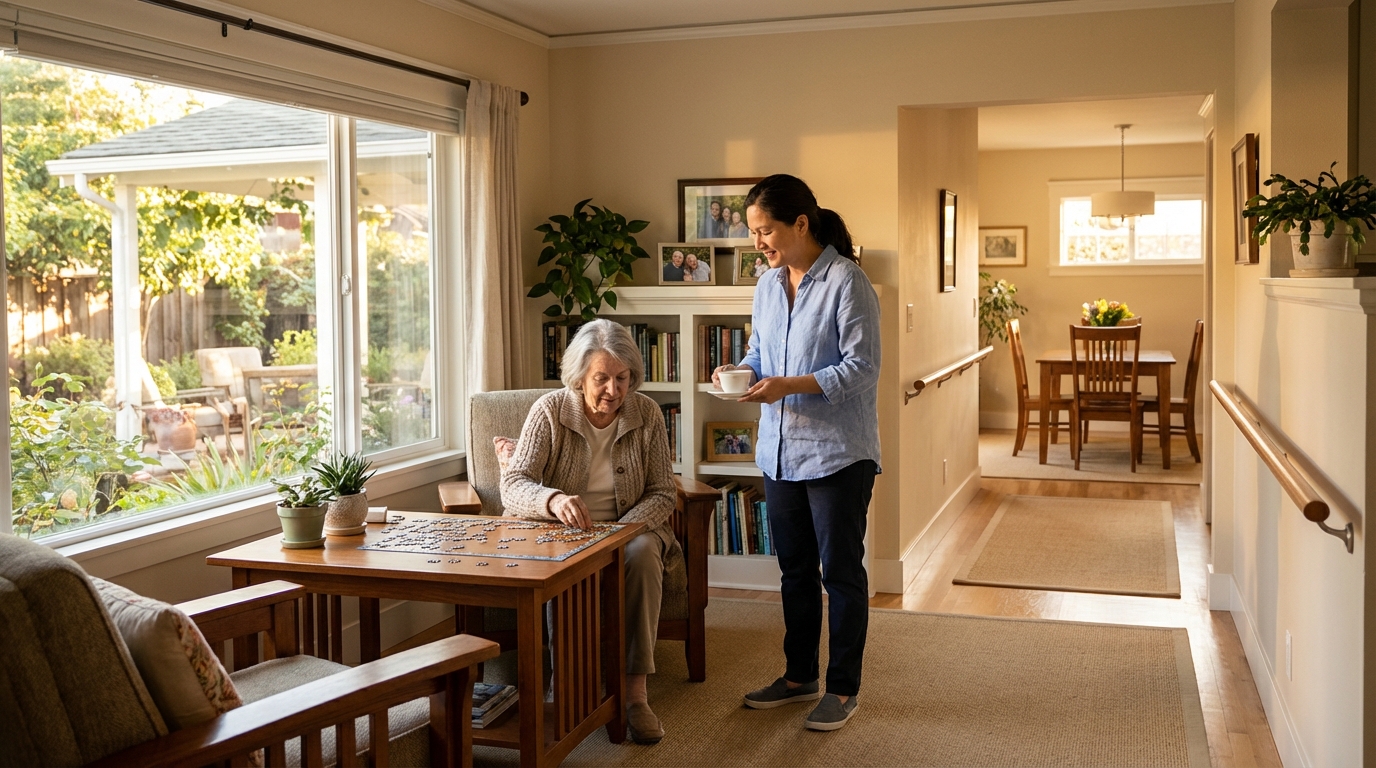
Care Home Safety: Essential Features for a Secure Environment
Explore crucial safety features to consider when choosing a care home in California, ensuring peace of mind for your loved ones.
Deciding to move a loved one into a care home is a deeply personal and significant decision. While the emotional and social aspects are often top of mind, ensuring their physical safety is paramount. A secure environment provides peace of mind for families and promotes the well-being of residents. Let's explore the essential safety features you should prioritize when evaluating potential care homes for your loved one.
Understanding the Importance of a Safe Environment
The safety of residents in a care home extends beyond just preventing accidents; it encompasses a holistic approach to their physical, emotional, and psychological well-being. A truly safe environment empowers residents to live with dignity and independence, knowing they are protected. When a care home prioritizes safety, it reflects a commitment to quality care and a deep understanding of the unique vulnerabilities that older adults or individuals with specific needs may face.
Why Safety Features Matter for Vulnerable Residents
- Reduced Risk of Falls: Falls are a leading cause of injury among older adults. Proper safety features significantly reduce this risk.
- Protection from Wandering: For residents with cognitive impairments like dementia, safeguards against wandering are critical.
- Emergency Preparedness: The ability to respond quickly and effectively to emergencies can save lives.
- Infection Control: A clean and sanitized environment prevents the spread of illness, especially crucial for those with compromised immune systems.
- Peace of Mind: Knowing your loved one is in a secure and supportive environment eases family anxiety.
Key Safety Features Inside the Care Home
When you tour a care home, pay close attention to the details within its walls. These interior features often speak volumes about the facility's commitment to resident safety.
Fall Prevention and Mobility Support
Falls are a major concern for seniors, and a well-designed care home will have numerous features to mitigate this risk.
- Handrails and Grab Bars: Look for sturdy handrails in hallways, stairwells, and all bathrooms (shower/tub, toilet).
- Non-Slip Flooring: Carpets should be low-pile and securely fastened. Tiles in bathrooms and common areas should have non-slip surfaces.
- Adequate Lighting: Bright, consistent lighting throughout the facility, especially in hallways, stairwells, and resident rooms, helps prevent missteps. Nightlights in resident rooms and bathrooms are also beneficial.
- Clear Pathways: Ensure hallways and common areas are free from clutter and tripping hazards.
- Accessible Furniture: Chairs and beds should be at appropriate heights, making it easier for residents to stand up and sit down.
Emergency Systems and Procedures
A care home's ability to respond to emergencies is a major indicator of its safety preparedness.
Inquire about the following:
- Emergency Call Buttons: Are call buttons easily accessible in resident rooms (bedside) and bathrooms? How quickly do staff respond to these calls?
- Fire Safety: Does the facility have working smoke detectors, sprinklers, and clearly marked exit routes? Are fire drills conducted regularly? What is the staff's training for fire emergencies?
- First Aid and Medical Response: Is there always trained staff on duty to administer first aid? What is the protocol for medical emergencies, and how quickly can emergency services be contacted?
- Disaster Preparedness Plan: Ask about their plans for natural disasters (earthquakes, floods, wildfires common in California) or power outages.
- Secure Entrances and Exits: While maintaining an open, welcoming atmosphere, the facility should have secure entrances and exits to prevent unauthorized access and protect residents from wandering.
Expert Tip: Don't just ask about safety features – ask for demonstrations. Request to see how an emergency call button works, or observe a staff member's response time during your visit. This gives you a more realistic picture.
Beyond Physical Barriers: Staffing and Training
While physical safety features are crucial, the human element is equally, if not more, important. Well-trained, attentive staff are the first line of defense in ensuring resident safety.
Staff-to-Resident Ratio and Training
A healthy staff-to-resident ratio ensures that residents receive timely attention and appropriate supervision. Ask potential care homes about their ratios during different shifts (day, evening, and night).
- Adequate Staffing: A sufficient number of caregivers can prevent falls, assist with mobility, and respond promptly to emergencies.
- Specialized Training: Does staff receive training in key areas such as fall prevention, dementia care, first aid, CPR, and proper medication administration?
- Background Checks: All staff should undergo thorough background checks, including criminal history and elder abuse registries.
- Ongoing Education: Regular training keeps staff updated on best practices and new safety protocols.
Medication Management and Health Monitoring
Proper medication management is critical to prevent errors and ensure residents receive the correct dosages at the right time.
- Secure Storage: Medications should be stored securely to prevent theft or accidental ingestion by unauthorized individuals.
- Trained Personnel: Only trained and authorized staff should administer medications, following strict protocols.
- Documentation: A robust system for documenting medication administration is essential to track dosages, times, and any observed side effects.
- Health Monitoring: How does the care home monitor residents' overall health? Are there regular check-ups, and how are changes in condition reported to families and medical professionals?
Outdoor and Environmental Safety
Safety extends beyond the four walls of the care home. The outdoor environment also plays a crucial role in a resident's well-being and freedom.
Secure and Accessible Outdoor Spaces
Many residents enjoy spending time outdoors, and these areas should be designed with their safety in mind.
- Fenced Perimeters: For residents prone to wandering, secure fencing with controlled access points is vital.
- Even Pathways: Outdoor pathways should be level, non-slip, and free from cracks or uneven surfaces that could cause falls.
- adequada iluminación: Ensure outdoor areas are well-lit, especially at dusk and during the night, to allow for safe navigation.
- Shaded Areas: Protection from direct sun exposure is important, especially in warmer climates like California.
- Emergency Call Buttons: Consider if there are accessible emergency call buttons in outdoor common areas.
Wandering Prevention Technology
For residents living with dementia or other cognitive impairments, specialized technology can significantly enhance safety.
- Magnetic Door Alarms: These systems alert staff when a resident attempts to exit through a secured door.
- Resident Tracking Systems: Some facilities use discreet wearable devices that allow staff to locate residents within the premises.
- Monitored Exits: Ensure all exits are monitored, either by staff or through electronic systems, to prevent unauthorized departures.
- Careful Landscaping: Landscaping should avoid inviting residents into potentially unsafe areas, like steep slopes or dense, hidden spots.
Next Steps: Your Action Plan
As you gather information about potential care homes, proactive inquiry and observation are your most powerful tools.
What to Ask and How to Observe
- Tour Multiple Facilities: Visit several homes to compare their safety features and overall atmosphere.
- Ask Detailed Questions: Don't hesitate to ask specific questions about emergency protocols, staff training, and individual resident safety plans.
- Observe During Different Times: If possible, visit at different times of day to see how staffing and resident activity levels change.
- Speak to Current Residents and Families: If permitted, ask current residents or their families about their experiences regarding safety and care.
- Check Licensing and Records: Verify the facility's licensing status and review any inspection reports or complaint histories available through state regulatory bodies. For California, this is often through the Department of Social Services, Community Care Licensing Division.
By diligently researching and closely observing these critical safety features, you can make a well-informed decision, ensuring your loved one resides in a secure, supportive, and truly safe environment. Your peace of mind, and their well-being, depend on it.
Published by CareHomeSearch Team on January 28, 2026