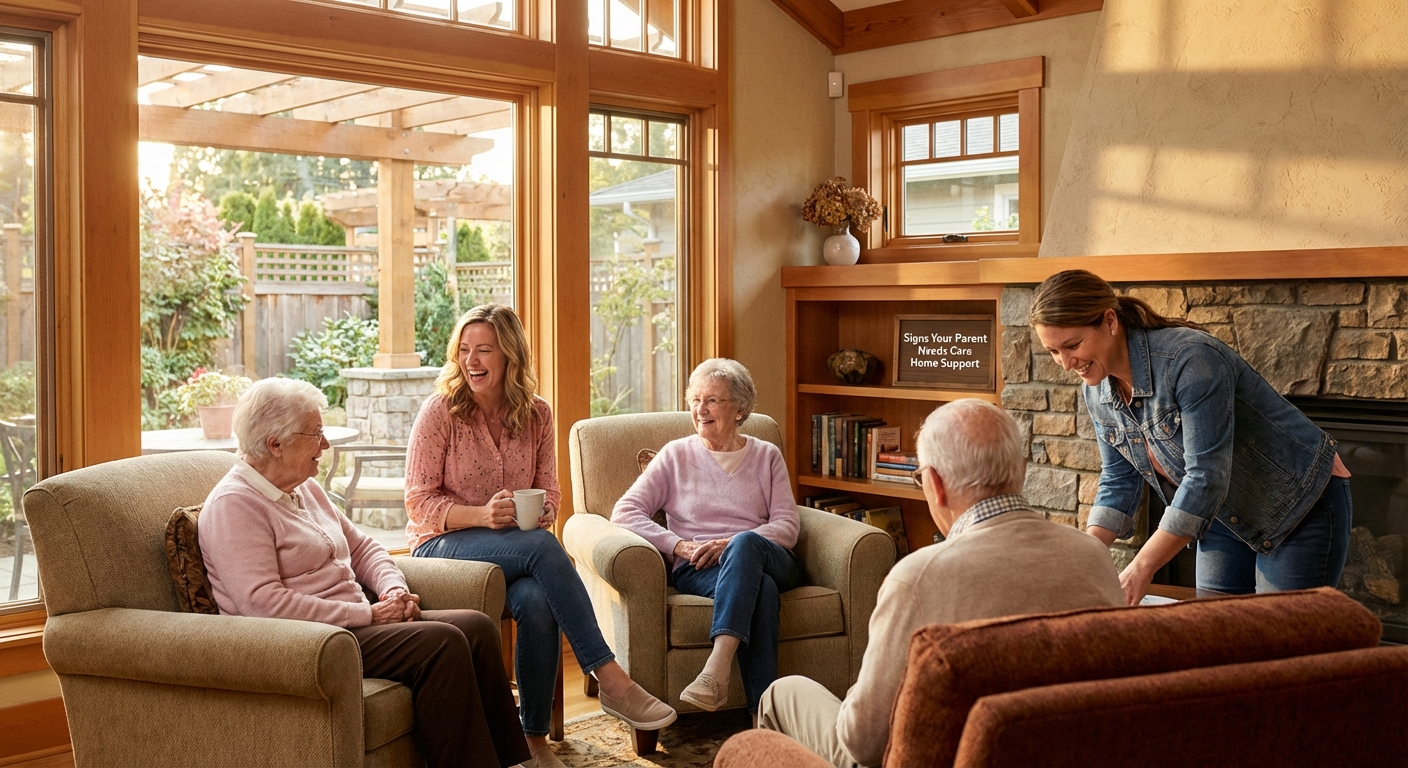
Signs Your Parent Needs Care Home Support
Recognize the signs that your elderly parent may need professional care. Learn when to consider care home support for their well-being and safety.
Deciding when a parent needs more support than you can provide at home is one of the most challenging realizations a family can face. It's often a gradual process, marked by subtle changes that accumulate over time. Recognizing these signs early can help you proactively explore options like residential care homes, ensuring your loved one receives the safety, dignity, and quality of life they deserve.
Understanding the Gradual Shift: Recognizing Early vs. Late Signs
The journey towards needing care home support is rarely sudden. It's more of a gentle slope than a sheer cliff. Many families first notice subtle shifts in their parent's routine or abilities, which might initially be dismissed as "just getting older." However, these early signs are critical indicators that warrant closer attention and open conversations.
Subtle Indicators You Might Be Overlooking
- Changes in appearance or hygiene: Has your parent started wearing the same clothes repeatedly, or are they neglecting personal grooming like showering or brushing their teeth?
- A decline in home maintenance: Is their home becoming cluttered, dirty, or are bills piling up unpaid? This can indicate a struggle with daily tasks.
- Social withdrawal: Are they less interested in activities they once enjoyed, or are they cancelling plans with friends and family more often?
- Unexplained weight loss or gain: Nutritional neglect (not eating enough, or eating only convenient, unhealthy foods) can be a red flag.
More Pronounced Warning Signs
As time progresses, these subtle shifts can become more pronounced, signaling a greater need for assistance. These are often the "aha!" moments for families:
- Frequent falls or mobility issues: Unexplained bruises, difficulty walking, or needing help to stand up are significant concerns.
- Memory loss affecting daily life: Forgetting to take medication, getting lost in familiar places, or repeating questions frequently.
- Changes in personality or mood: Increased irritability, paranoia, depression, or significant shifts in typical behavior patterns.
- Inability to manage medications: Forgetting doses, taking too much, or mixing up prescriptions can be dangerous.
Expert Tip: Keep a journal of observed changes. Note the date, the specific behavior, and any concerns. This objective record can be invaluable when discussing your observations with other family members or healthcare professionals, providing a clear timeline of progression.
Safety Concerns: When the Home Becomes a Hazard
Safety is paramount, and an inability to maintain a safe living environment is often the most compelling reason to consider a residential care setting. What was once a comfortable home can subtly transform into a place with increasing risks.
Household Hazards and Risks
Look around their home with a critical eye. What potential dangers might exist that they can no longer mitigate?
- Cooking accidents: Burn marks on pots, stovetops left on, or a fear of cooking. This can lead to fire hazards or inadequate nutrition.
- Poor sanitation: Unemptied garbage, spoiled food in the refrigerator, or neglected pet waste can create unhygienic conditions and attract pests.
- Tripping hazards: Clutter, loose rugs, or an inability to navigate stairs safely can significantly increase the risk of falls, which can have devastating consequences for older adults.
- Unattended care needs: If they have wounds that aren't being properly cared for, or if they're neglecting medical appointments, their health could rapidly deteriorate.
Wandering and Getting Lost
For individuals with cognitive decline, wandering is a serious safety concern. This is when someone leaves their home unsupervised and may not be able to find their way back. It can lead to exposure to weather, accidents, or even interactions with strangers. Symptoms might include:
- Expressing a desire to "go home" even when they are at home.
- Becoming disoriented in familiar surroundings.
- Pacing or restlessness, especially in the evening.
If you notice signs of wandering, immediate and continuous supervision becomes critical, which can be incredibly challenging for family caregivers.
Caregiver Burnout: When Family Support Isn't Enough
Family caregivers are heroes, but even heroes need help. The demands of caring for an aging parent can be immense, both physically and emotionally. Recognizing the signs of caregiver burnout is not a sign of failure, but rather an acknowledgment that more professional support is needed.
Signs You Might Be Experiencing Burnout
Are you feeling:
- Chronic exhaustion: Always tired, even after sleep.
- Increased stress and anxiety: Feeling overwhelmed, irritable, or constantly worried.
- Neglect of personal needs: Skipping your own doctor's appointments, hobbies, or social engagements.
- Resentment or guilt: Feeling resentful towards your parent, or guilty for feeling that way.
- Changes in your own health: Frequent headaches, stomach problems, or increased susceptibility to illness.
When caregiver burnout sets in, it not only impacts your well-being but can also compromise the quality of care you're able to provide. A residential care home offers around-the-clock professional support, alleviating the burden and allowing you to return to being a loving child, rather than a full-time caregiver.
Financial and Medical Management Challenges
As cognitive abilities decline, managing complex tasks like finances and medical appointments becomes increasingly difficult. These are areas where mistakes can have significant and long-lasting repercussions.
Difficulties with Finances and Bills
Pay attention if you notice any of the following:
- Unopened mail or mounting bills: Indicating a struggle with organization and financial oversight.
- Missed payments or late fees: Which can impact credit and lead to service cut-offs.
- Unusual or suspicious transactions: Large, unexplained withdrawals, or signs they might be vulnerable to scams.
- Difficulty balancing a checkbook or managing bank accounts.
The inability to manage personal finances responsibly puts your loved one at risk of financial exploitation and hardship.
Medication Management and Health Oversight
Proper medication management is crucial for maintaining health and preventing serious complications. Red flags include:
- Forgetting to take medications altogether: Leading to missed dosages and uncontrolled conditions.
- Taking too much or too little medication: Which can be dangerous or ineffective.
- Confusion about different medications: Mixing up pills, drug interactions.
- Missing doctor's appointments or follow-ups: Leading to a decline in overall health monitoring.
- Inability to articulate symptoms or discomfort to medical professionals.
Residential care homes often include medication management as a core service, ensuring medications are dispensed correctly and on schedule, and residents receive necessary health assessments and appointment coordination.
Emotional & Mental Well-being: Beyond Physical Needs
While physical health and safety are often the primary concerns, the emotional and mental well-being of an aging parent is equally vital. A decline in these areas can significantly impact their quality of life.
Signs of Loneliness, Depression, or Isolation
Aging can sometimes lead to increased social isolation, especially if mobility issues or cognitive decline make it harder to connect with others. Look for:
- Persistent sadness or loss of interest: A classic sign of depression.
- Lack of engagement: No longer showing interest in hobbies, news, or conversation.
- Talking about feeling lonely or worthless.
- Changes in sleep patterns: Insomnia or sleeping excessively.
Residential care homes provide built-in communities, structured social activities, and often have staff trained to recognize and support residents experiencing depression or isolation, fostering a more engaging and supportive environment.
Cognitive Decline Impacting Quality of Life
Beyond memory lapses, cognitive decline can manifest in ways that severely diminish joy and independence.
- Difficulty following conversations or understanding instructions.
- Inability to engage in complex thought or problem-solving.
- Increased confusion or disorientation.
- Loss of interest in reading, puzzles, or other stimulating activities.
Environments designed for seniors, particularly those with memory care components, offer specialized programming and support that can help maintain cognitive function and provide meaningful engagement, often impossible to replicate in a home setting.
Taking Action: Your Next Steps
If you've recognized several of these signs in your parent, please know you are not alone, and considering additional support is a loving and responsible decision. This is an emotionally charged time, but proactive planning can ease the transition for everyone involved.
Here’s what you can do:
- Talk to your parent (if appropriate): Initiate a compassionate conversation about your observations and concerns. Focus on their safety, well-being, and desire for them to continue enjoying life.
- Consult a healthcare professional: A doctor can assess your parent's current health status, cognitive abilities, and provide medical recommendations.
- Involve other family members: Share your observations and concerns with siblings or other close family members to gain support and divide tasks.
- Research care options: Explore different types of residential care homes, such as assisted living or memory care facilities, to understand what services they offer.
- Visit prospective homes: Schedule tours, ask questions, and get a feel for the atmosphere and level of care provided.
- Utilize resources like CareHomeSearch.com: Our directory can help you find residential care homes in California that meet your specific needs and preferences, making the research process much smoother.
The goal is to ensure your parent lives in an environment where they are safe, cared for, engaged, and can maintain dignity. Recognizing these signs is the first crucial step towards achieving that goal.
Published by CareHomeSearch Team on January 18, 2026