Small vs. Large Care Homes: Finding the Best Fit in CA
Explore the pros and cons of small residential care homes versus large facilities to find the ideal environment for your loved one in California.
Navigating the world of senior care can feel overwhelming, with numerous options and considerations for your loved one. One significant decision families often face is choosing between a large, institutional facility and a smaller, more intimate residential care home. While both have their merits, understanding the distinct advantages of smaller residential care homes can help you make the best choice for your family's unique needs and preferences.
Understanding Residential Care Homes: A Personalized Approach
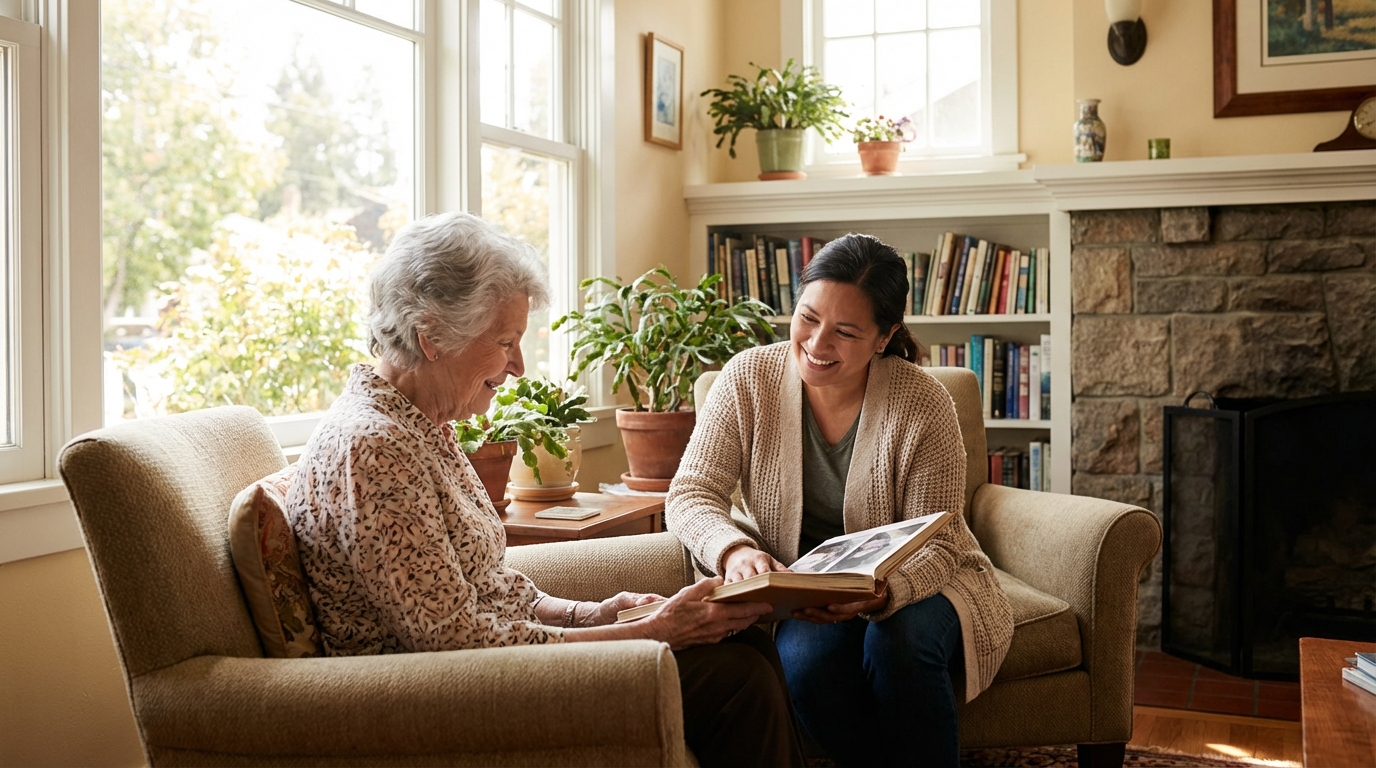
Residential care homes, also known as assisted living homes, board and care homes, or RCFEs (Residential Care Facilities for the Elderly) in California, typically house a smaller number of residents, often anywhere from 4 to 15 individuals. This intimate setting allows for a higher staff-to-resident ratio and a more personalized care experience, fostering a true sense of community and family. They are designed to feel like a real home, not an institution.
What Defines a Residential Care Home?
- Smaller Resident Population: Generally fewer than 16 residents. This is a key differentiator from larger facilities.
- Homelike Environment: Often a converted single-family home, providing a familiar and comfortable setting.
- Personalized Care: Staff can more easily cater to individual needs, preferences, and routines.
- Community Focus: Residents often eat meals together, participate in activities, and form close bonds.
The Intimacy Advantage: Closer Connections and Consistent Care
One of the most compelling benefits of a smaller residential care home is the inherent intimacy it offers. In a setting with fewer residents, staff members have the opportunity to truly get to know each individual, their history, their preferences, and their personality. This leads to a level of care that feels more personal and less anonymous.
Personalized Attention and Staff Relationships
In a larger facility, your loved one might interact with many different caregivers throughout the day or week. While these caregivers are often dedicated, the sheer volume of residents can make it challenging to build deep, consistent relationships. In contrast, smaller homes empower staff to build strong, empathetic bonds with residents.
- Consistent Caregivers: Residents often interact with the same few caregivers daily, fostering trust and familiarity.
- Deeper Understanding: Staff are better able to recognize subtle changes in a resident's health or mood, leading to proactive care.
- Tailored Activities: Activities can be more easily customized to the interests and abilities of the smaller group, rather than a broad program designed for many.
- Enhanced Communication: Families often find it easier to communicate directly with caregivers and the administrator, leading to clearer updates and peace of mind.
A Stronger Sense of Community
The smaller size naturally encourages a stronger sense of community among residents. They often share meals together, participate in group activities, and support one another like a family. This can be particularly beneficial for those who thrive in social settings but might feel overwhelmed or isolated in a larger environment.
Expert Tip: When visiting a residential care home, observe the interactions between staff and residents. Do they know each other by name? Is there genuine warmth and familiarity? These observations can reveal the true nature of the home's community.
Reduced Overwhelm and Greater Adaptability
For many seniors, particularly those with memory impairment or sensory sensitivities, large facilities can be overwhelming due. The constant buzz, numerous people, and long corridors can contribute to anxiety and agitation. Smaller homes offer a calmer, more predictable environment that can significantly improve a resident's quality of life.
A Calmer, Less Stimulating Environment
Imagine navigating a large, busy hotel versus a cozy bed and breakfast. The difference in atmosphere is profound. Smaller residential care homes provide that "bed and breakfast" feel:
- Quieter Surroundings: Less noise, fewer interruptions, and a more peaceful ambiance.
- Easier Navigation: Simpler layouts with fewer rooms and shorter distances make it easier for residents, especially those with mobility or cognitive challenges, to move around independently.
- Reduced Sensory Overload: Less confusion and anxiety due to fewer people and a more predictable daily routine.
Flexibility and Responsiveness to Individual Needs
The smaller scale of residential care homes often translates to greater flexibility in daily routines and care plans. Administrators and staff can more quickly adapt to a resident's changing needs or preferences without bureaucratic hurdles common in larger organizations.
- Personalized Schedules: Meal times, activity schedules, and even bathing routines can often be adjusted to suit individual resident preferences.
- Adaptive Care Plans: Changes in a resident's health or behavior can be addressed more promptly and with greater ease, leading to more responsive care transitions.
- Dietary Customization: With fewer residents, it's often easier for staff to accommodate specific dietary restrictions or preferences, ensuring residents enjoy their meals.
Cost-Effectiveness and Transparency
While costs vary widely based on location, care level, and amenities, residential care homes can often be a more cost-effective option than larger assisted living facilities, especially when comparing similar levels of care. Additionally, their pricing structures can be more straightforward.
Many larger facilities operate on complex tiered pricing models with numerous add-on fees for services like medication management, showering assistance, or memory care. In contrast, smaller residential care homes often offer a more inclusive monthly rate, simplifying financial planning for families.
It's crucial to obtain a clear breakdown of all costs from any facility you consider, regardless of size, to avoid unexpected expenses.
Making the Right Choice: Next Steps
Choosing the right care environment for your loved one is an incredibly personal decision. While larger facilities offer extensive amenities and a wider range of activities, the unique benefits of smaller residential care homes often resonate with families seeking a more intimate, personalized, and homelike setting. Consider what truly matters most to your loved one's well-being and happiness.
Here are some actionable steps:
- Assess Your Loved One's Needs and Preferences: Does your loved one thrive in a quiet, intimate setting or prefer a bustling environment? What level of care do they require currently and potentially in the future?
- Research Local Options: Use resources like CareHomeSearch to find residential care homes and larger facilities in your desired area. Read reviews and gather initial information.
- Schedule Visits: Visit several different types of facilities, including both large and small options. Observe the staff-resident interactions, the general atmosphere, and the cleanliness.
- Ask Detailed Questions: Don't hesitate to ask about staffing ratios, care plans, activities, meal options, and all associated costs.
- Trust Your Gut: Ultimately, the best choice will be the place where you feel your loved one will be safest, happiest, and receive the most compassionate care.
At CareHomeSearch, we understand the importance of finding the perfect fit. We are here to help guide you through this process, connecting you with quality residential care homes across California that prioritize the comfort, dignity, and individualized care of your senior loved one.
Published by CareHomeSearch Team on February 8, 2026