Tech in Senior Care: Keeping Families Connected
Discover how modern care homes in California are using technology to keep families connected with their loved ones, enhancing communication and peace of mind.
In today's fast-paced world, staying connected with loved ones is more important than ever, especially when they are receiving care in a residential setting. Modern senior care homes are embracing innovative technologies to bridge geographic distances and foster stronger bonds between residents and their families. This allows for greater peace of mind and ensures families remain an integral part of their loved one's care journey.
Beyond the Phone Call: Enhancing Communication and Engagement
While traditional phone calls remain a cherished way to connect, technology in senior care has expanded the possibilities for meaningful interaction. Care homes are integrating solutions that go far beyond simple voice communication, offering rich, multi-faceted ways for families to stay involved and informed.
Video Calling and Virtual Visits
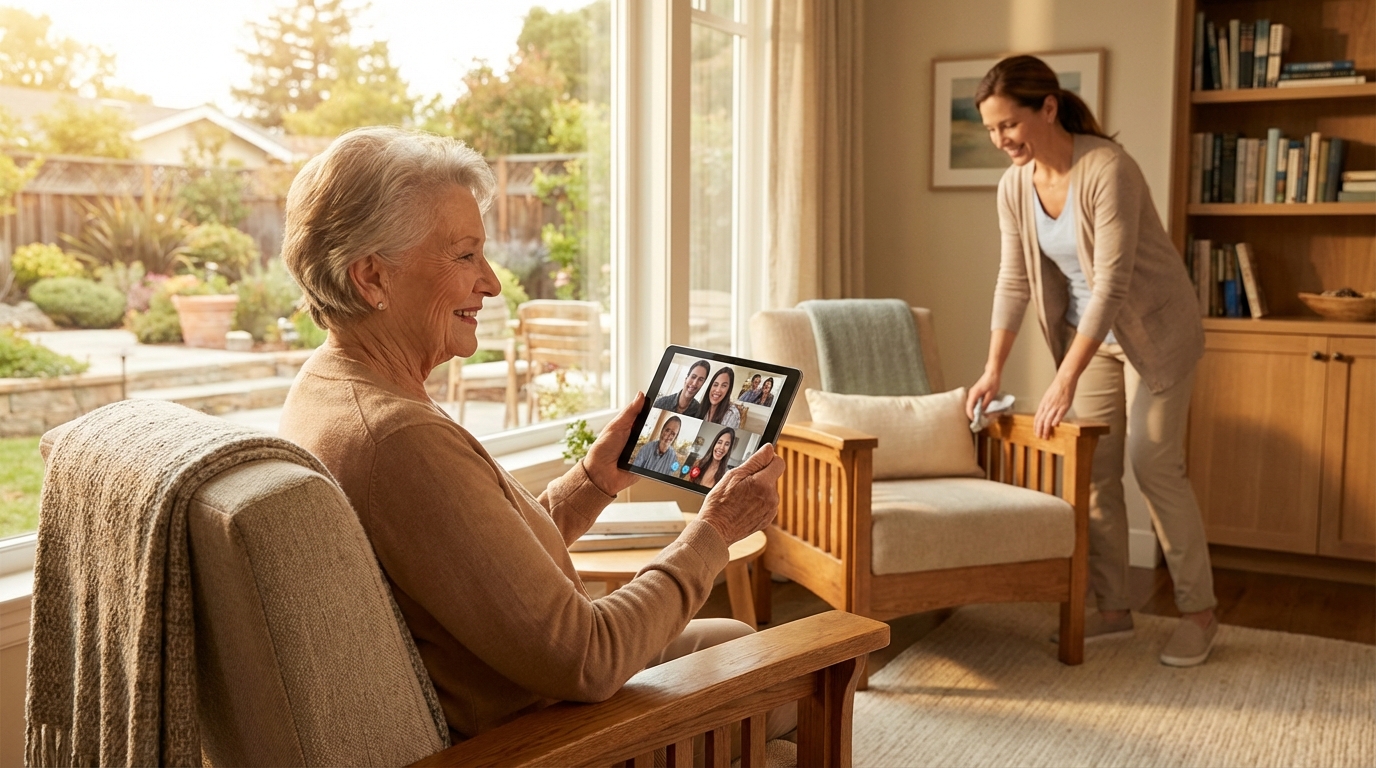
One of the most impactful technological advancements is the widespread adoption of video calling platforms. Whether it's a quick chat with a grandchild or a virtual family dinner, video calls provide invaluable visual connection.
- Accessibility: Many communities provide tablets or smart devices with pre-installed video calling apps, making it easy for residents, even those less tech-savvy, to connect.
- Reduced Isolation: Seeing loved ones' faces and expressions can significantly reduce feelings of loneliness and isolation, boosting a resident's emotional well-being.
- Scheduled Connections: Care staff can assist with scheduling and setting up video calls, ensuring residents don't miss out on these vital interactions.
Dedicated Family Portals and Communication Apps
Many modern care homes utilize secure online portals or dedicated mobile applications designed specifically for families. These platforms serve as a centralized hub for communication and information.
- Real-time Updates: Families can receive instant notifications about their loved one's daily activities, meal schedules, and participation in community events.
- Care Plan Transparency: Portals often provide access to care plans, medication schedules, and health updates, allowing families to stay informed about medical care.
- Direct Messaging: Secure messaging features enable families to communicate directly with care staff for questions, concerns, or to share important information.
- Photo and Video Sharing: Staff can upload photos and short videos of residents enjoying activities, offering families a glimpse into their daily life and happiness.
Smart Homes, Safer Seniors: Technology for Well-being and Oversight
Technology isn't just about communication; it's also revolutionizing safety, health monitoring, and personalized care within senior living communities. These innovations give families greater peace of mind, knowing their loved ones are safe and well-cared for.
Wearable Technology and Remote Monitoring
Wearable devices are becoming increasingly common, offering both convenience and critical safety features.
Smartwatches and pendants can monitor a resident's heart rate, sleep patterns, and even detect falls. These devices can immediately alert caregivers and family members in case of an emergency, providing a crucial layer of security.
Remote monitoring systems, including discreet sensors in living spaces, can track activity levels and identify unusual patterns that might indicate a problem. This proactive approach allows caregivers to intervene before minor issues become major concerns.
Tip for Families: When touring care homes, ask about their policies regarding personal wearable devices versus community-provided monitoring systems. Understand how data is shared and who receives alerts to ensure it aligns with your family's needs and comfort level.
Medication Management and Adherence Tools
Ensuring residents take their medications correctly and on time is paramount. Technology offers robust solutions to minimize errors and promote adherence.
- Automated Dispensers: Smart medication dispensers can be programmed to release the correct dose at the scheduled time, complete with auditory and visual reminders. Some even alert caregivers if a dose is missed.
- Electronic Health Records (EHRs): Care homes use comprehensive EHR systems to track medication administration, dosages, and potential interactions. This provides a clear, accurate record for both staff and family members (with appropriate permissions).
- Telehealth Consultations: For routine follow-ups or minor health concerns, telehealth platforms allow residents to consult with doctors or specialists virtually from the comfort of their care home, reducing the need for transportation and enhancing accessibility.
Enriching Lives: Technology for Engagement and Enrichment
Beyond safety and communication, technology plays a vital role in enhancing the quality of life for residents, providing avenues for entertainment, learning, and cognitive stimulation.
Virtual Reality (VR) and Immersive Experiences
Virtual reality is opening up incredible new worlds for seniors, offering experiences that might otherwise be out of reach.
- Travel and Exploration: Residents can "visit" distant countries, re-experience beloved landmarks, or even go on virtual safari adventures, stimulating their minds and spirits.
- Reminiscence Therapy: VR can create personalized experiences that trigger positive memories, which is particularly beneficial for individuals with cognitive impairments.
- Engaging Activities: From virtual games to educational tours, VR offers a novel way to participate in stimulating activities without leaving the community.
Interactive Entertainment and Cognitive Games
Tablets and smart televisions are increasingly offering a suite of engaging activities tailored for seniors. These include:
- Brain-training games: Puzzles, memory games, and trivia can help maintain cognitive function.
- Personalized music and entertainment: Access to a vast library of music, audiobooks, and movies can cater to individual preferences and provide comfort.
- Group virtual activities: Some platforms allow residents to participate in virtual bingo, card games, or other social activities with others, fostering a sense of community.
Choosing a Tech-Forward Care Home: What to Ask
When selecting a residential care home for your loved one, inquire about the technological solutions they employ. Understanding their technological infrastructure can help you gauge how well they can facilitate family connections and provide advanced care.
Here are some key questions to ask:
- What specific communication platforms do you use for families (e.g., family portals, messaging apps)?
- Do you provide residents with tablets or devices for video calls? What kind of assistance is available for residents who need help using technology?
- What wearable technology or remote monitoring systems are in place for safety and health tracking? How is this data shared with families?
- How do you use technology for medication management and adherence?
- What technological amenities are available for resident enrichment (e.g., VR, smart TVs, cognitive games)?
- What internet connectivity is available for residents and families visiting?
- How do you ensure the privacy and security of resident data shared through these technologies?
Connecting for a Brighter Future
The integration of technology in senior care homes signifies a compassionate and proactive approach to modern elder care. It empowers families to remain deeply connected, offers advanced safety measures, and enriches the daily lives of residents. As you navigate the options for your loved one, prioritize communities that embrace these innovations. At CareHomeSearch, we understand the importance of finding a home that not only meets care needs but also fosters strong family bonds through technological advancements. Explore our California directory today to find a community committed to keeping your family connected and your loved one thriving.
Published by CareHomeSearch Team on February 23, 2026