Understanding Memory Care: A Family Guide to Dementia Facilities
Navigate memory care options for dementia. This guide helps families understand facilities, care, and support available in California.
Navigating the complex world of dementia care can feel overwhelming, especially when a loved one receives a diagnosis of Alzheimer's or another form of dementia. As a family caregiver, you want the best possible support and environment for them, and understanding memory care facilities is a crucial step in that journey. This guide will help demystify memory care, offering insights into what these specialized environments provide and how they differ from traditional assisted living.
What is Memory Care and How Does It Differ?
Memory care is a specialized type of long-term care designed for individuals living with advanced Alzheimer's disease or other forms of dementia. Unlike general assisted living, memory care facilities focus entirely on the unique needs of residents with cognitive impairment, creating a safe, structured, and compassionate environment that promotes well-being and preserves dignity.
Specialized Staff Training and Ratios
One of the most significant differentiators for memory care is its staff. Caregivers in these facilities undergo extensive training specifically in dementia care, including understanding communication challenges, managing behavioral symptoms like agitation or sundowning, and implementing therapeutic activities. Staff-to-resident ratios are often lower than in general assisted living, allowing for more individualized attention and support.
- Dementia-Specific Training: Staff are educated on the stages of dementia, effective communication techniques, and strategies for managing challenging behaviors.
- Higher Staff-to-Resident Ratios: Ensures residents receive more personalized care, supervision, and assistance with daily activities.
- 24/7 supervision: Provides continuous monitoring to ensure safety and respond to immediate needs.
Purpose-Built Environments
Memory care facilities are architecturally designed with the safety and comfort of residents with dementia in mind. These communities feature secure perimeters, often with alarmed exits and enclosed courtyards, to prevent wandering, a common and dangerous symptom of dementia. Layouts are often circular or easy to navigate, reducing confusion and anxiety.
Common features include:
- Secure and Safe Environments: Locked doors, alarmed exits, and enclosed outdoor spaces prevent wandering and ensure resident safety.
- Easy-to-Navigate Layouts: Clear pathways, color-coded sections, and simple floor plans reduce confusion and promote independence.
- Calming Sensory Elements: Thoughtful use of lighting, colors, and minimal clutter to create a peaceful atmosphere.
- Reminiscence Areas: Designated spaces with familiar objects and themes to encourage memory recall and social interaction.
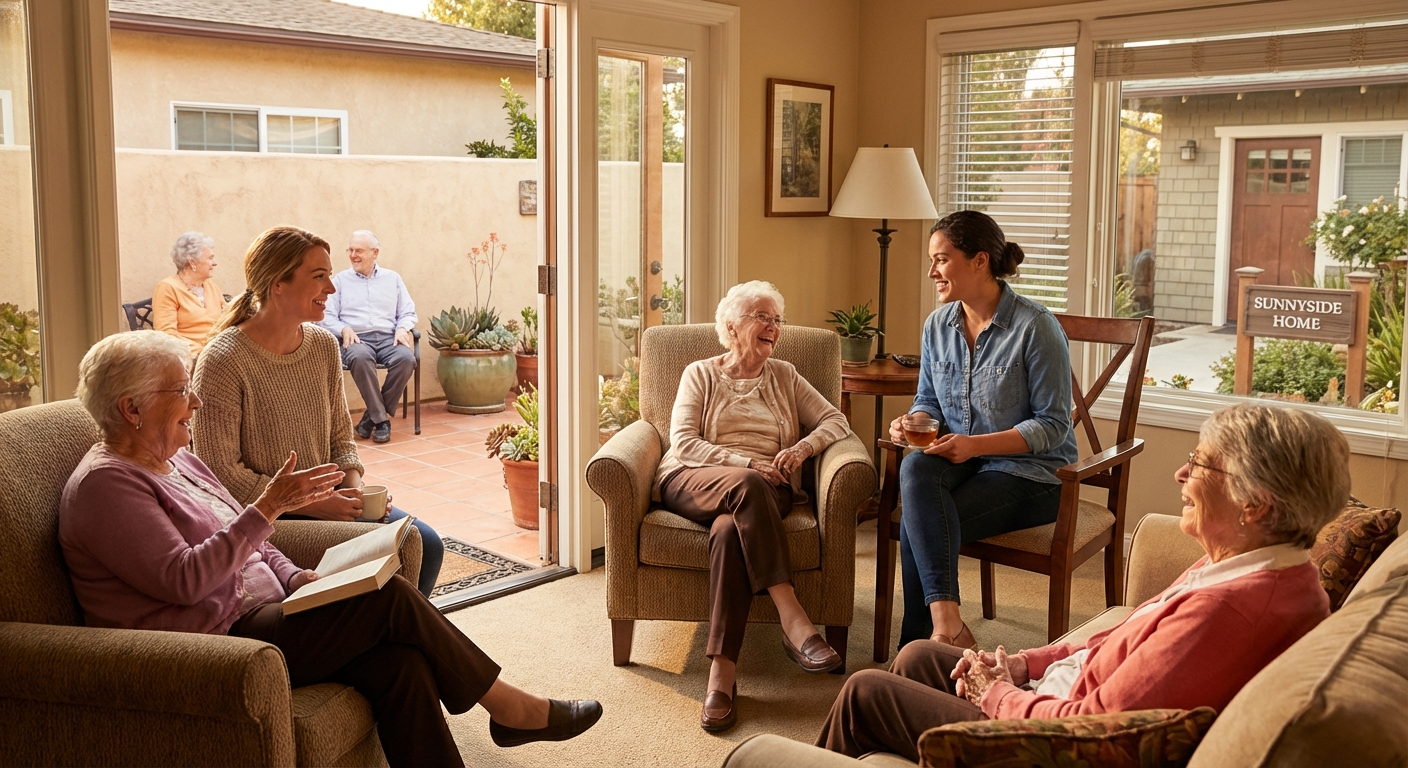
Important Tip: When touring facilities, pay close attention to the security measures, the cleanliness and brightness of the environment, and how residents are interacting with staff. A truly excellent memory care facility will feel warm, inviting, and secure.
Understanding the Care Provided in Memory Care
The care in a memory care facility goes beyond just physical assistance; it encompasses emotional, social, and cognitive support tailored to individuals with dementia.
Personalized Care Plans
Each resident in memory care receives a highly individualized care plan. This plan takes into account their specific diagnosis, stage of dementia, personal history, preferences, and challenges. The care plan addresses everything from assistance with activities of daily living (ADLs) to engagement in therapeutic activities.
- Activities of Daily Living (ADLs): Assistance with bathing, dressing, grooming, eating, and toileting.
- Medication Management: Ensuring residents receive the correct medications at the right time, especially crucial for those who may forget.
- Behavioral Support: Staff are trained to identify triggers for challenging behaviors and use redirection, validation, and emotional support to manage them.
Therapeutic Programming and Engagement
One of the hallmarks of quality memory care is its focus on engagement. Activities are specially designed to stimulate cognitive function, promote social interaction, and provide a sense of purpose and enjoyment, even for those with advanced dementia. These aren't just recreational activities; they are therapeutic interventions.
Examples of therapeutic programs include:
- Music Therapy: Proven to evoke memories and improve mood.
- Art Therapy: Provides a non-verbal outlet for expression.
- Reminiscence Therapy: Using objects, photos, and conversation to trigger positive memories.
- Sensory Stimulation: Activities engaging touch, smell, and taste to provide comfort and engagement.
- Physical Exercise Programs: Gentle exercises adapted for residents' abilities to maintain mobility and reduce agitation.
When is Memory Care the Right Choice?
Deciding when it's time for memory care is a deeply personal and often difficult decision for families. It usually comes when the care needs of an individual with dementia exceed what can be safely and effectively provided at home by family caregivers or traditional assisted living.
Signs It Might Be Time for Memory Care
Recognizing these signs can help families determine if specialized memory care is the most appropriate next step:
- Increased Safety Concerns: Frequent wandering, leaving the stove on, forgetting to take medications, or falls at home.
- Aggressive or Agitated Behaviors: When behavioral symptoms become difficult for family caregivers to manage safely.
- Decline in Personal Hygiene: Neglecting bathing, dressing, or other personal care routines.
- Caregiver Burnout: The emotional and physical toll on primary caregivers becomes unsustainable. This is a critical indicator and often overlooked.
- Social Isolation: Lack of engagement and opportunities for social interaction at home, leading to withdrawal and depression.
- Advanced Stages of Dementia: As the disease progresses, the need for specialized supervision and care intensifies.
Financial Considerations for Memory Care
Understanding the costs associated with memory care is essential for families planning for their loved one's future. Memory care is generally more expensive than traditional assisted living due to the specialized staffing, training, and secure environments.
Cost Factors and Payment Options
The cost of memory care in California can vary significantly based on location, the level of care required, the facility's amenities, and its reputation. On average, monthly costs can range from $5,000 to $10,000 or more.
Potential payment options and strategies include:
- Private Pay: The most common method, using personal savings, pensions, or investments.
- Long-Term Care Insurance: Policies purchased in advance specifically designed to cover long-term care services, including memory care. It's important to check the specific coverage details.
- Veterans Benefits: Aid & Attendance benefits for eligible veterans and their surviving spouses can help offset costs.
- Reverse Mortgages: For homeowners, this can convert home equity into cash without selling the home.
- Bridge Loans: Short-term loans that can provide funds while waiting for other assets (like a home sale) to materialize.
- Medi-Cal Waivers: In some cases, specific Medi-Cal programs or waivers might help cover a portion of the costs for eligible low-income individuals, but coverage for residential memory care is often limited.
Families should research all potential funding sources and seek financial advice to create a sustainable plan.
Actionable Next Steps for Families
Making the decision about memory care is a profound step. Here’s how to approach it:
- Educate Yourself: Continue to learn about dementia and memory care options. Organizations like the Alzheimer's Association offer valuable resources.
- Assess Your Loved One's Needs: Objectively evaluate their current level of care needs, safety risks, and social engagement. Consult with their doctor.
- Research Facilities: Use resources like CareHomeSearch to find reputable memory care facilities in your desired area in California. Look at reviews, licensing, and facility details.
- Visit and Tour: Schedule visits to several facilities. During tours, ask detailed questions about staffing, activities, security, and resident-focused care. Observe the atmosphere and interactions.
- Engage Your Family: Discuss your findings and decisions with other family members to ensure everyone is informed and supportive.
- Consult Financial Advisors: Understand the financial implications and explore all possible funding options.
- Trust Your Gut: Ultimately, choose a facility where you feel your loved one will be safe, well-cared for, and treated with dignity and compassion.
Choosing memory care is a significant transition, but with the right information and preparation, you can find a supportive and enriching environment that brings peace of mind to both you and your loved one.
Published by CareHomeSearch Team on January 12, 2026